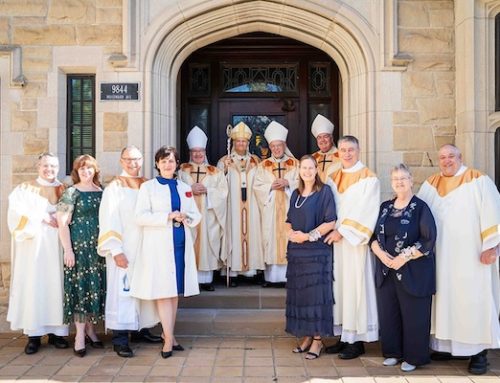
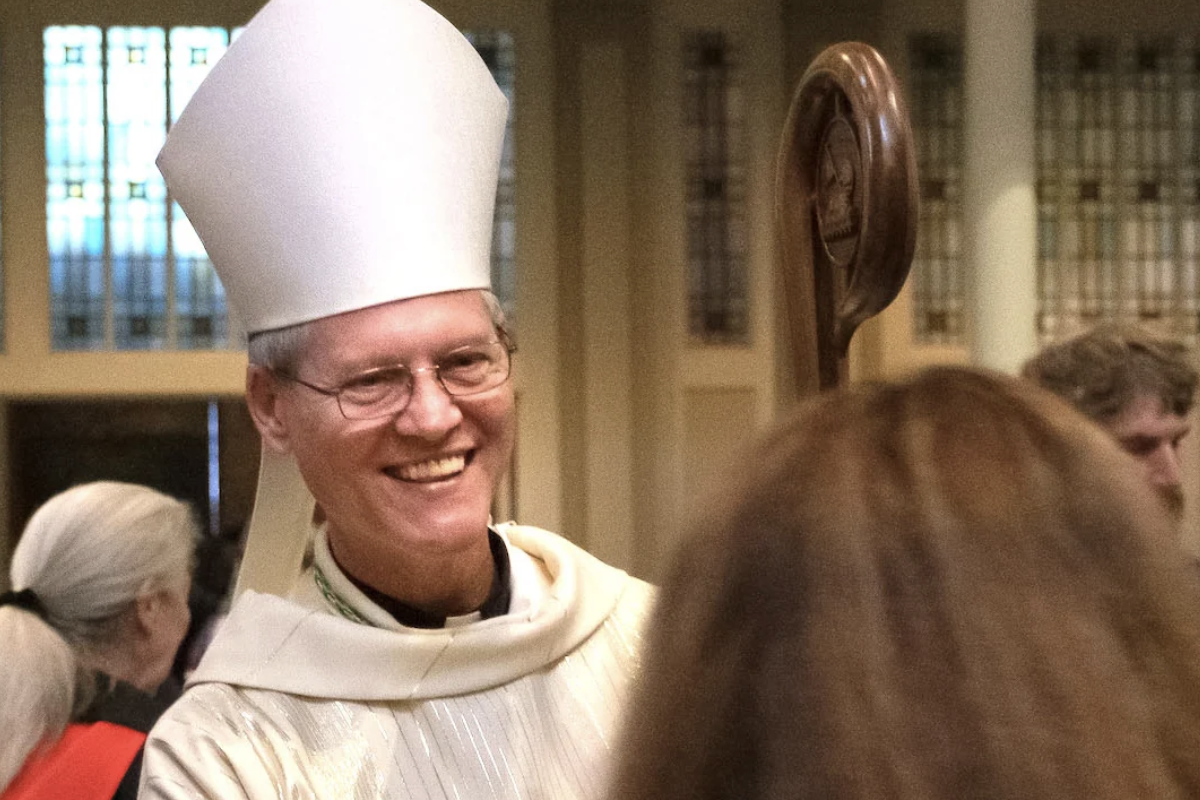
On his Substack page, Deacon Geert De Cubber has posted this wonderfully insightful interview with Archbishop Paul Etienne of Seattle.
Some key points:
To me, that is the first thing that needs to be made clear from the outset: this is a vocation recognized by the Church, and it is not in competition with anything else. It is a vocation that the Lord calls men to. Deacons can preach the gospel, baptize, and preside at weddings, but their primary vocation is service and charity, being the ears of the bishop in the community. One of the things I appreciate liturgically is that the writing of the prayers of the faithful is supposed to come from the deacon, because he is the one out in the community, who knows what the needs are, and who can bring those needs into the liturgical prayer and proclaim them himself. That is a real service to the Church.
This past year I changed our diocesan policy to allow deacons to wear clerics, when they are exercising their ministry. Previous bishops would not allow that, again because of the same confusion about what a deacon is. But it is clear to me that when they are out in public doing ministry, it is right for them to be identifiable as clergy, and sometimes I think it is even helpful for them to be recognized as someone doing that work in the name of the Church.

It is worth remembering that priests and bishops remain deacons too. That is why the episcopacy is called the fullness of the priesthood: all three orders are present in it. There are still rubrics in the Pontifical that call for the presiding bishop to wear his dalmatic, the deacon’s vestment, under the chasuble, as a reminder that this is a moment of fullness. When I was ordained a bishop, I wore a dalmatic under the chasuble myself, as a symbol of the fullness of orders in that consecration. It is theologically rich. It does speak to the fact that the diaconate is a permanent order. That permanence carries into the relationship between a deacon and his bishop. In this archdiocese, some deacons epitomize it. They take that attachment to me very seriously, and they are always asking what they can do for me, because that is part of their ministry and their identity as deacons.
I know that at our retreats and formation weekends, which run from Friday through Sunday, a good number of the wives take part. We even offer a certificate to the wives who go through the whole formation program alongside their husbands, so that they receive some recognition for the time they have put in as well.
I think the wives have quite a support group among themselves, and I know from talking with the deacons that the support they receive from their wives in this ministry is essential. That is why, even in the application process, the wife has to be on board. It cannot be the husband alone, and we make that very clear to both of them from the start. They play a vital, integral role in the life of the deacon.”
Something Archbishop Paul Etienne shares with every deacon candidate before ordination:
“I want you to be out in front of the Church before and after Mass, because that’s when you really get to know your people. There is something about the moment when people are entering that sacred space, coming directly from a personal encounter with God.
It’s a rare moment. When you ask someone how they are doing, you get a more genuine response coming in and going out than you would meeting them on the street, because of the mindset they are in. I tell my deacons to take note of what they hear in those moments: a husband in the hospital, a child facing surgery, a marriage under strain.
Check out Deacon Geert’s Substack for more.