“I tried to work and have a job and make a living, but there is nothing for me here. If I don’t leave this country, there is nothing that will save me.”
From The New York Times (gift article):
When King Mohammed VI of Morocco addressed his people on Wednesday to commemorate his 27th year on the throne, he spoke hopefully of his North African nation’s future.
Morocco, he said, was safe and stable, with a growing economy making great strides in tourism, investment and manufacturing.
“This is a pivotal moment in our nation’s development,” the 62-year-old monarch said. “A time when confidence and optimism should prevail over despair and frustration.”
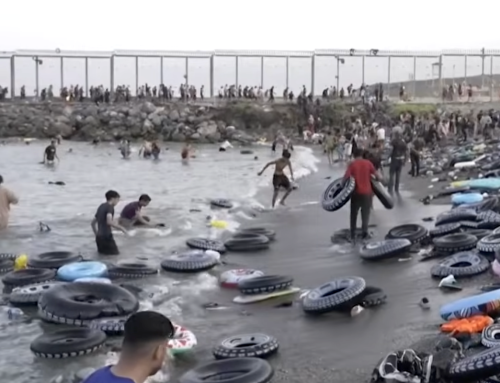
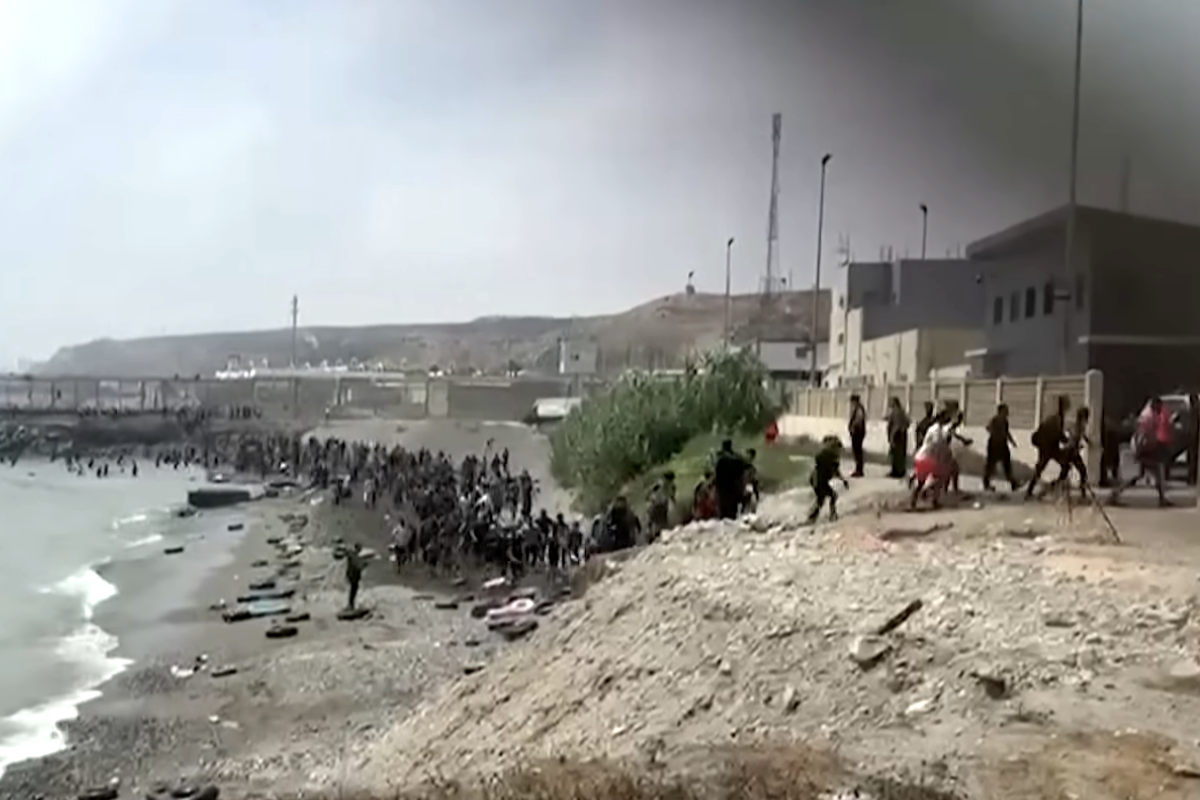
Over the next two days, however, tens of thousands of his citizens tried to escape the country. Driven by a bleak sense of their prospects in Morocco, they braved confrontations with the police and dangerous swims in the sea to reach the Spanish territory of Ceuta, hoping for better lives.
“I tried to work and have a job and make a living, but there is nothing for me here,” said Mohammed Kinani, a 21-year-old construction worker, who had been forced back to Morocco. “If I don’t leave this country, there is nothing that will save me.”
Mr. Kinani was part of a sudden exodus that began on Thursday when 50,000 to 60,000 migrants began forcing their way into Ceuta, a tiny Spanish territory on the North African coast. By Saturday, many of the migrants had left, lacking food and water, and the Spanish security forces expelled others, but not before the crisis had given far-right politicians across Europe new ammunition to blast their opponents’ views on immigration.
The Spanish authorities said on Sunday that they had recorded 72 deaths during the crisis. The Moroccan government reported 11 deaths. Both sides said most of the deaths were from drowning…
…The Ceuta migration crisis exposed a deep dismay among its young people, who, when faced with scant job opportunities, recurrent droughts and frequent arrests of government critics, chose to vote with their feet and get out.
“Do you think if I had a job I would have gone?” snapped Ahlam al-Adnan, 22, when asked where she had worked before she set off for Ceuta. She sat in the sun near the border on Sunday, looking exhausted.
She had swum to the territory with her four siblings, including her 8-year-old brother, she said. In Ceuta, they hid in a forest but got hungry, so she went to look for food, got detained and was sent back to Morocco.
Over the weekend, thousands of the returned migrants, most of them young Moroccan men, wandered the streets of the Moroccan town of Fnideq, resting on sidewalks and sleeping in open lots. Most wore shorts, T-shirts and sandals, and carried few possessions, if any.
Pope Leo mentioned the crisis Sunday in his Angelus address:
“I follow with concern the alarming situation in Ceuta, asking God, through the intercession of Our Lady of Africa, that solutions of peace, stability, and justice may be found.”
Pope Leo XIV made this appeal in Spanish following the recitation of the Angelus prayer on Sunday in the Vatican.
The Spanish autonomous city of Ceuta, located on the northern coast of Africa and bordering Morocco, is facing a major migration emergency.
In recent days, tens of thousands of people have attempted to enter the territory from Morocco, overwhelming reception facilities and prompting Spain to deploy additional security forces.