
How much is enough?
That is the great question Peter wants answered in this Gospel. How many times does he have to forgive someone? Seven times? Maybe less?
Jesus’s answer probably shocked him. “Not seven times, but seventy-seven times.” In other words, more than you want to count. No amount of forgiveness is enough, no amount is too much.
It demands selflessness and sacrifice. It can be one of the most difficult aspects of the Christian life.
Nobody knows that better than the men, women and children of Nickel Mines, Pennsylvania.
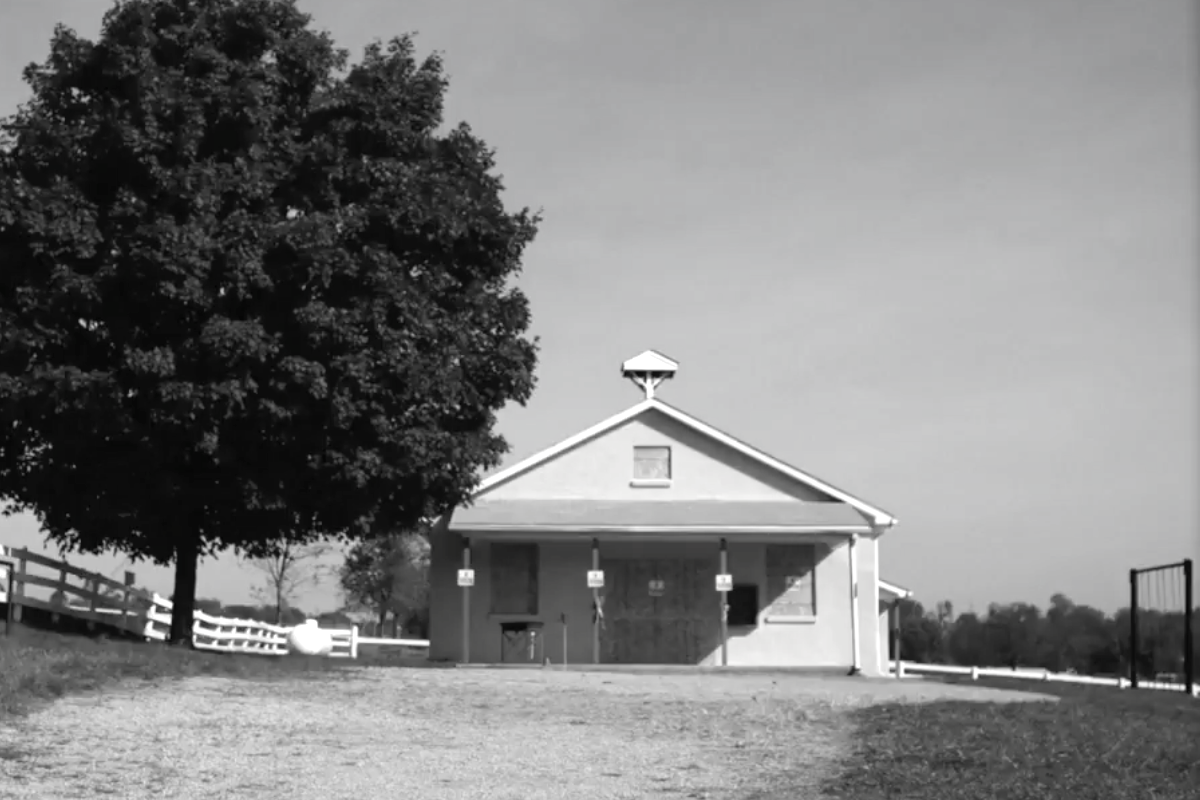
Almost exactly 20 years ago, October 2, 2006, an angry, troubled man by the name of Charles Carl Roberts drove to the one room Amish schoolhouse in town. He carried with him a 9 mm handgun.
What happened next horrified the world.
After telling all the boys in the school to leave, Roberts shot 10 girls, between the ages of 6 and 13. Six of them died. Investigators said he had been haunted by the death of his own infant daughter several years earlier. He was angry at God, angry at the world, and gave in to despair. About 30 minutes after the nightmare began, Roberts turned the gun on himself.
The story could have ended there. But it didn’t.
Just after the shooting, one of the fathers told a neighbor, “We must not think evil of this man. He had a wife and a soul and he now stands before God.” What must his family be going through?
A short time later, members of the Amish community – grieving parents, friends and neighbors – did something unimaginable. They went to Charles Roberts’ home.
They wanted to comfort his widow and family.
One of the men embraced Roberts’ father, who couldn’t stop weeping. He stayed for nearly an hour, cradling him in his arms.
How much is enough? How much forgiveness is enough? You can’t begin to measure it.
Days later, after the Amish families buried their children, they went across town to the funeral for the man who had killed them. They prayed for his widow and his three children. In the days after, they raised money for the family. They started a fund to support them. Years later, Charles Roberts’ mother, Terri Roberts, wrote a book about that time. Forgiveness, she wrote, is more than a feeling. As she heard again and again from the Amish, forgiveness is a choice.
Well, the message from the scriptures today could not be more plain: make that choice. In a cynical world that keeps count, that holds grudges, that wants retribution, choose another way.
Choose healing.
Choose mercy.
Choose forgiveness.
And don’t stop.
Forgive without setting limits, without keeping a tally, without thinking you have done enough.
We should inscribe these words from Sirach on our hearts. “Forgive your neighbor’s injustice; then when you pray, your own sins will be forgiven.”
It isn’t easy. We all know it. It’s human nature. We want to settle the score, get even.
But God asks more of us.
How do we even begin?
Fifty years before the tragedy of Nickel Mines, Martin Luther King, Jr. looked at the injustice in the world around him and saw another path, one those Amish families would understand.
“Returning hate for hate multiplies hate,” he said. “It adds a deeper darkness to a night already devoid of stars. Darkness cannot drive out darkness; only light can do that.”
And he added: “The evil deed of the enemy, the thing that hurts, never quite expresses all that he is. An element of goodness may be found even in our worst enemy.”
This past summer, during his trip to Spain, Pope Leo took questions from a large group of young people. One woman was struggling to deal with pain and cruelty from her own father. How can I forgive him?, she asked. How can I be reconciled with him?
The pope was deeply moved by her story. Forgiveness, he told her, is journey. “Don’t lose heart,” he said. “We must continually ask the Lord to expand the space of love within us…so that he may transform resentment into mercy and compassion.”
That’s where it begins. In prayer.
We need to pray for those who wound us.
Pray for healing of our own wounds.
Pray to be a peacemaker.
As Dr. King might put it, in the middle of darkness, pray to be the light.
We will have a chance to do that in just a few moments. As we do at every Mass, we will pray these words:
“Forgive us our trespasses, as we forgive those who trespass against us.”
We say those words often, and no wonder. It’s the prayer of our lives, the prayer of a lifetime. It’s the beating heart of this very Gospel. We ask this: that God will be merciful toward us in the same way that we are merciful toward others.
How are we doing with that?
It can seem so difficult. We fall short so often. But as Pope Leo told the young woman in Spain: don’t lose heart. Be patient. And pray to be the Christian that God wants you to be.
I would add this:
Pray to learn from Simon Peter. He discovered that forgiveness isn’t something to be counted or measured. Forgiving, in fact, is a way of living.
Pray to have the hope of Martin Luther King, Jr., who saw a dark sky devoid of stars and chose to be light.
Pray to love like the good people of Nickel Mines, Pennsylvania, who endured heartbreaking tragedy — and then made a choice.
A choice to forgive. A choice to live the Gospel and never say, “That’s enough.”
A minister who was in the town at the time of the shooting saw the Amish response and said he felt like he was witnessing a miracle.
Forgiveness can do that.
But know this: It’s the kind of miracle every one of us, by the grace of God, can help bring to the world – and, just maybe, can help to change the world.