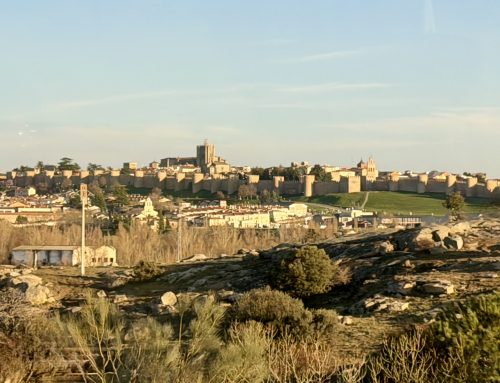
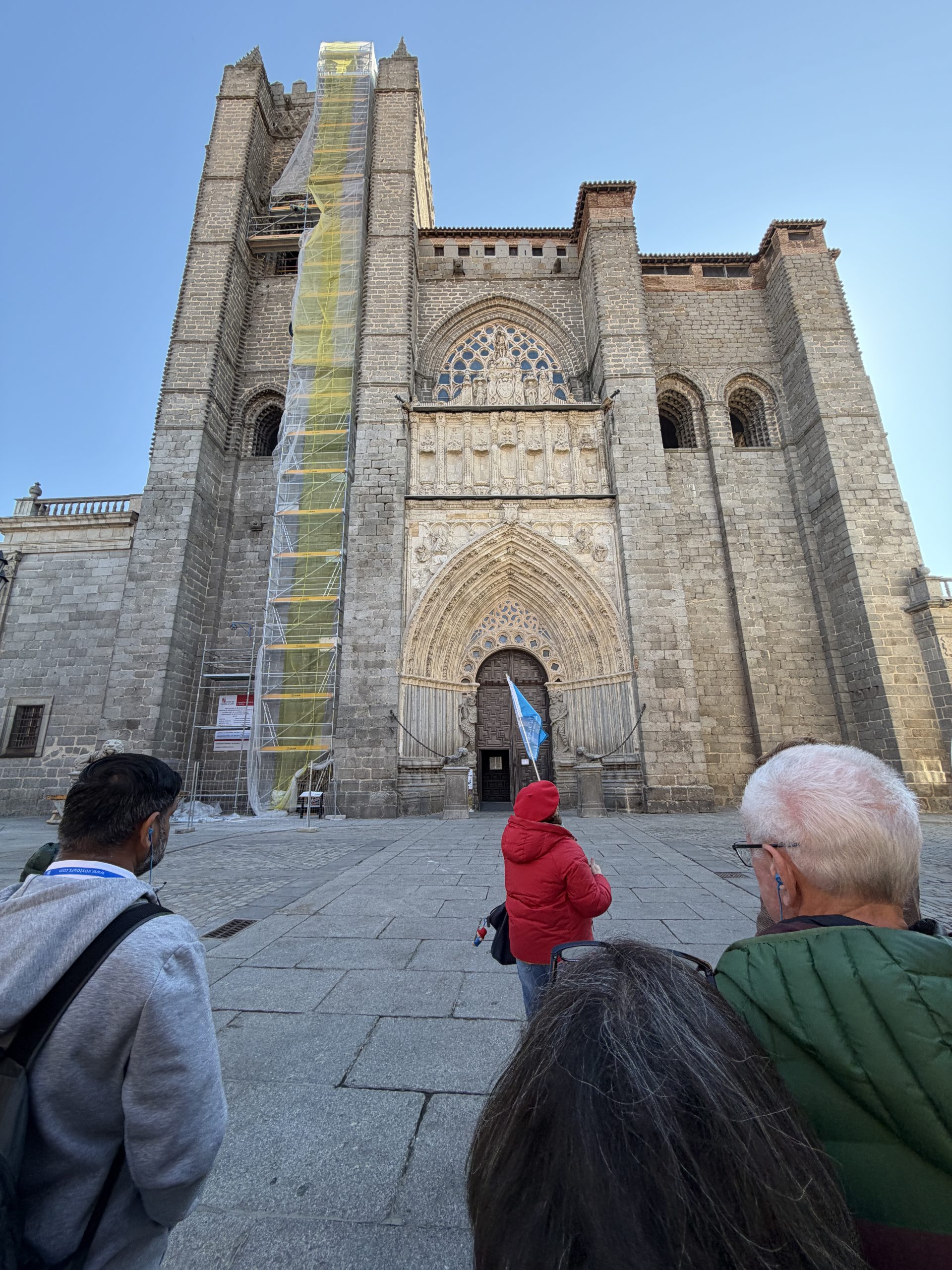
When you think about a medieval city, with walls and turrets and a towering cathedral, you’re thinking of a place like Avila, Spain.
The sense of history is palpable. You’re stepping back in time, walking with warriors, nobility — and saints.
Which brings us to the city’s most famous saint, Teresa.
We were up early for breakfast and a brisk walk through the city with a local tour guide. And when I say “brisk,” I’m talking about the temperature. The last week of March, the morning forecast for this part of Spain was sunny, with a chance of freezing to death. It was in the lower 40s, climbing up to the mid-60s by mid-afternoon.
Travel tip: pack layers. I packed a fleece jacket, plus a puffer vest that I was able to roll into a tight ball in my suitcase (and that made me look like Marty McFly.) A pair of gloves was helpful, too.
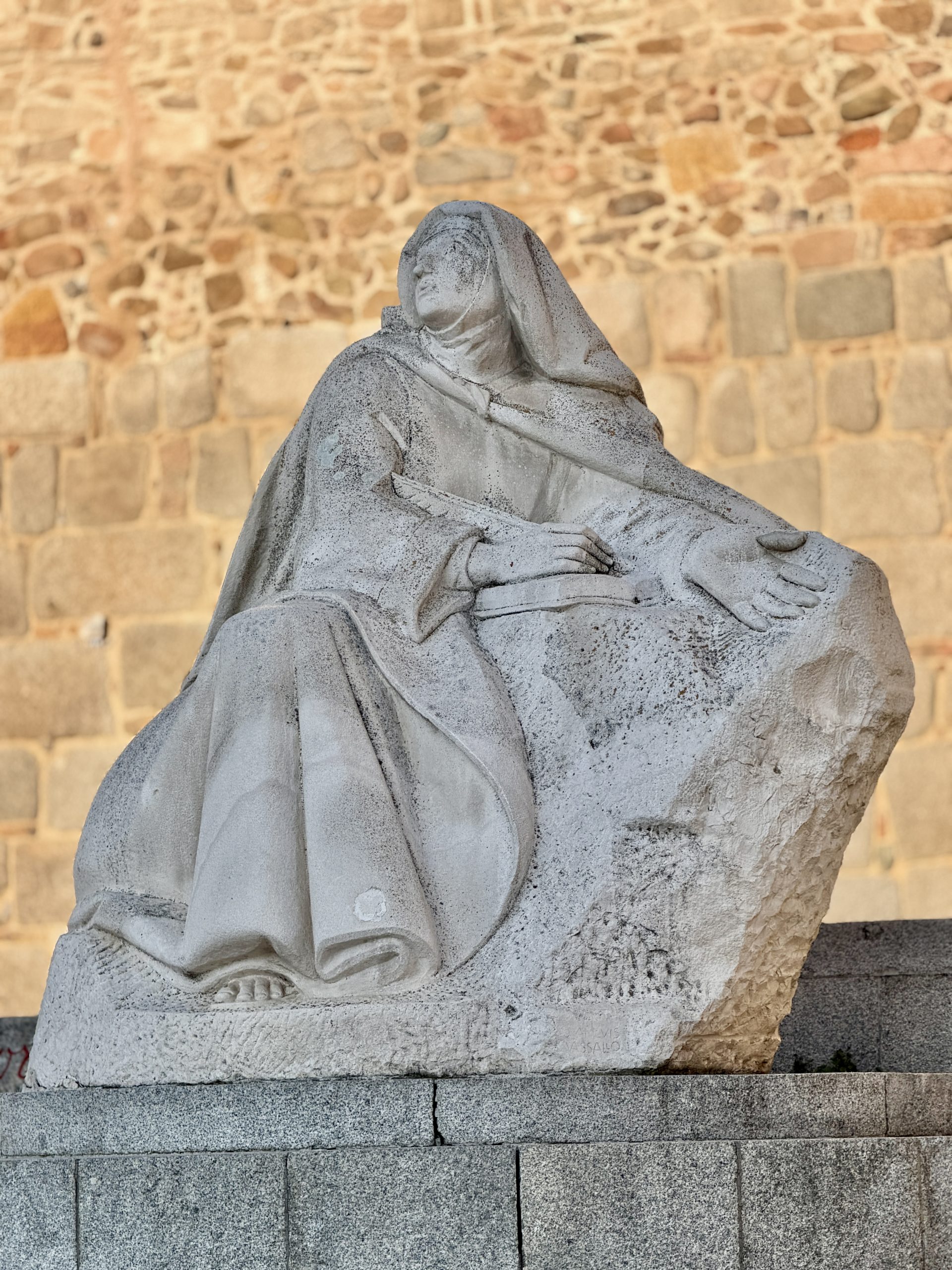
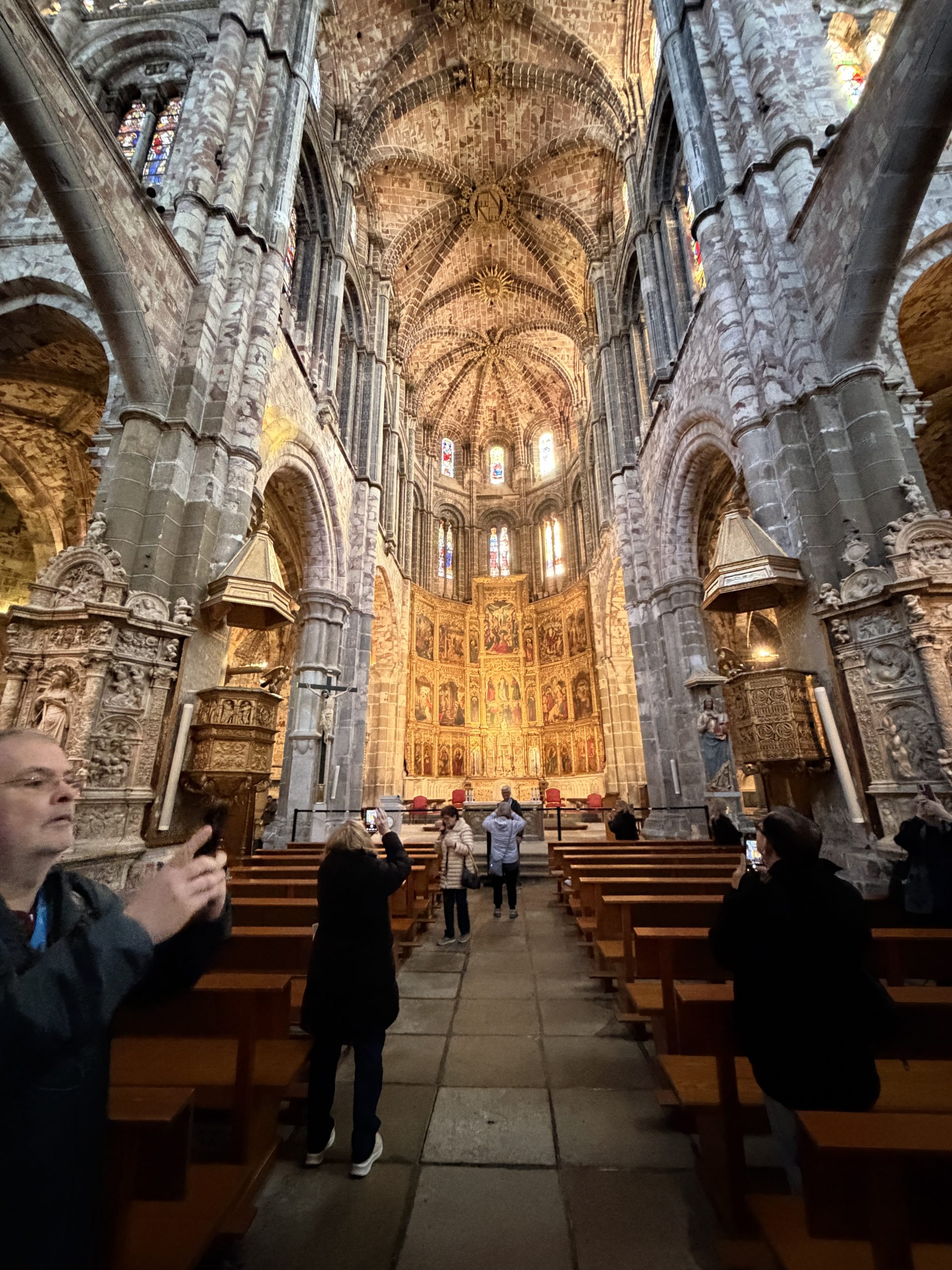
Our guide essentially narrated the life of St. Teresa of Avila, and a history of the city, with side notes on art and architecture. One highlight: the cathedral. This soaring building is rarely used anymore, and needs a considerable amount of repair work and upkeep. It was unheated and unwelcoming. But the treasures inside were breathtaking.
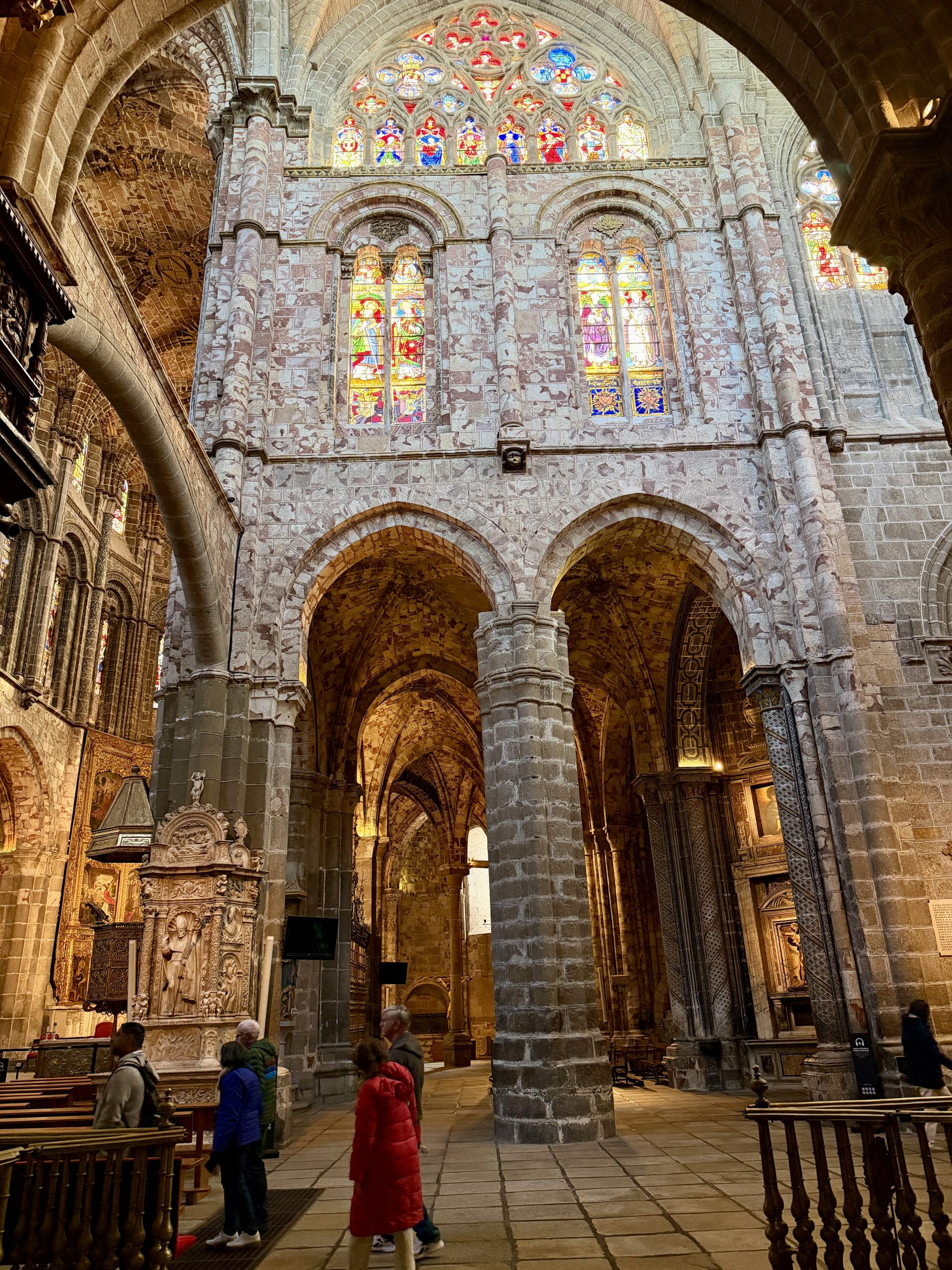
The sculpture below depicts the slaughter of the Holy Innocents after the birth of Jesus.
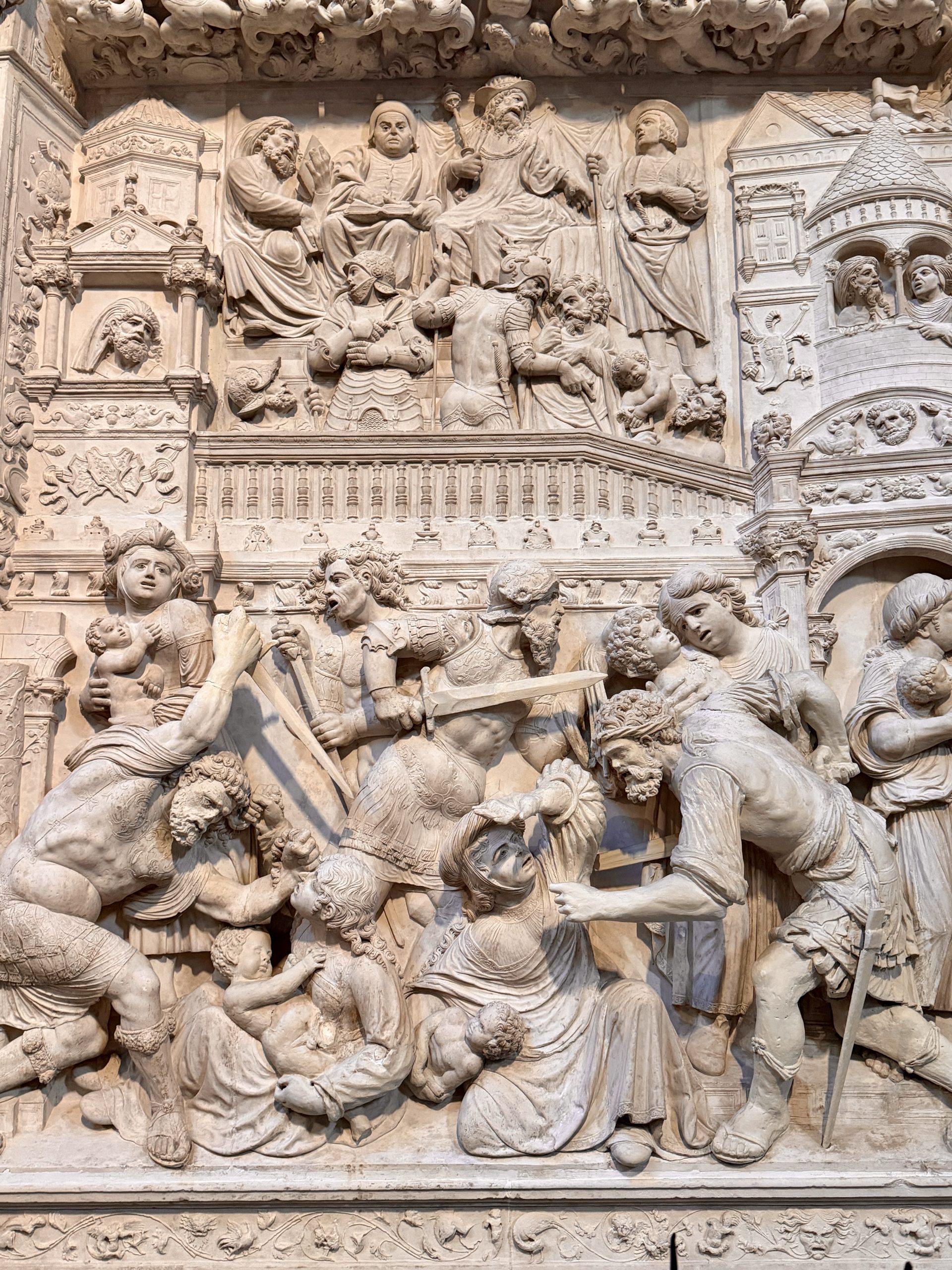
Also on display — being stored there, and readied for use — were the enormous displays that are carried in religious procession during Holy Week.
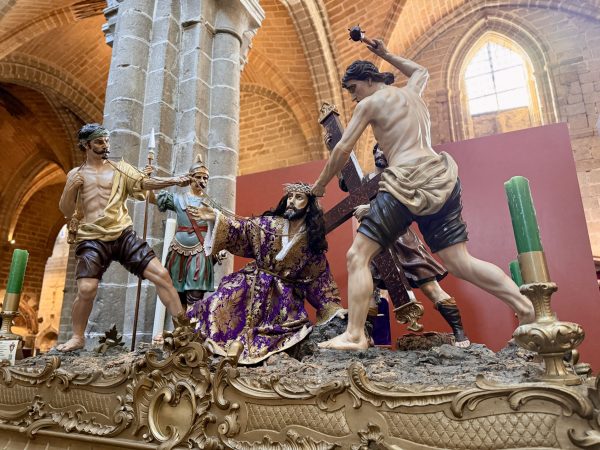
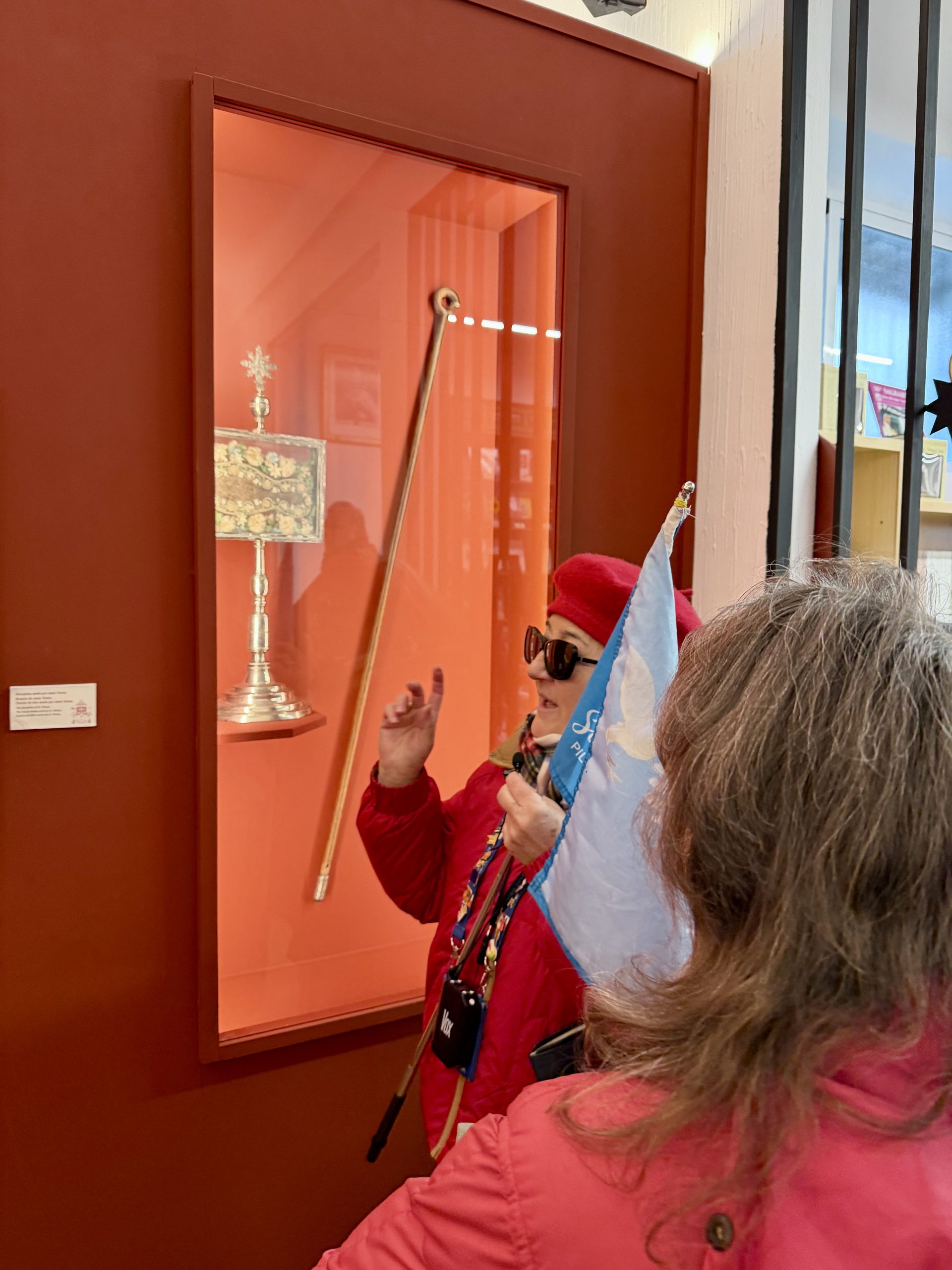
Leaving the cathedral, we visited La Encarnacion Convent, with an impressive collection of relics and material devoted to the life of St. Teresa, including one of her fingers.
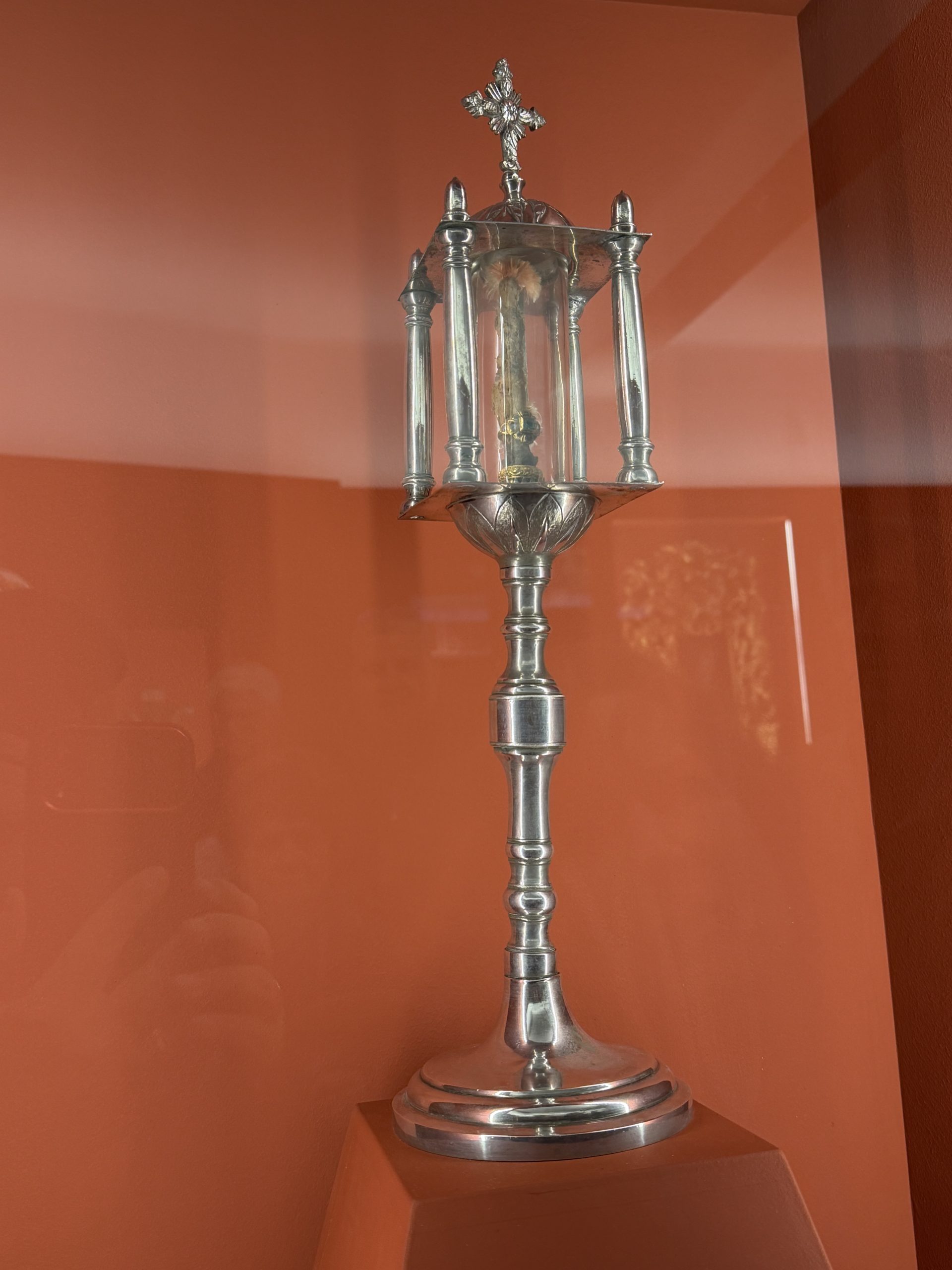
Teresa was quite a traveler, journeying largely on foot to establish convents around Spain. Her walking stick and part of a sandal are on display.
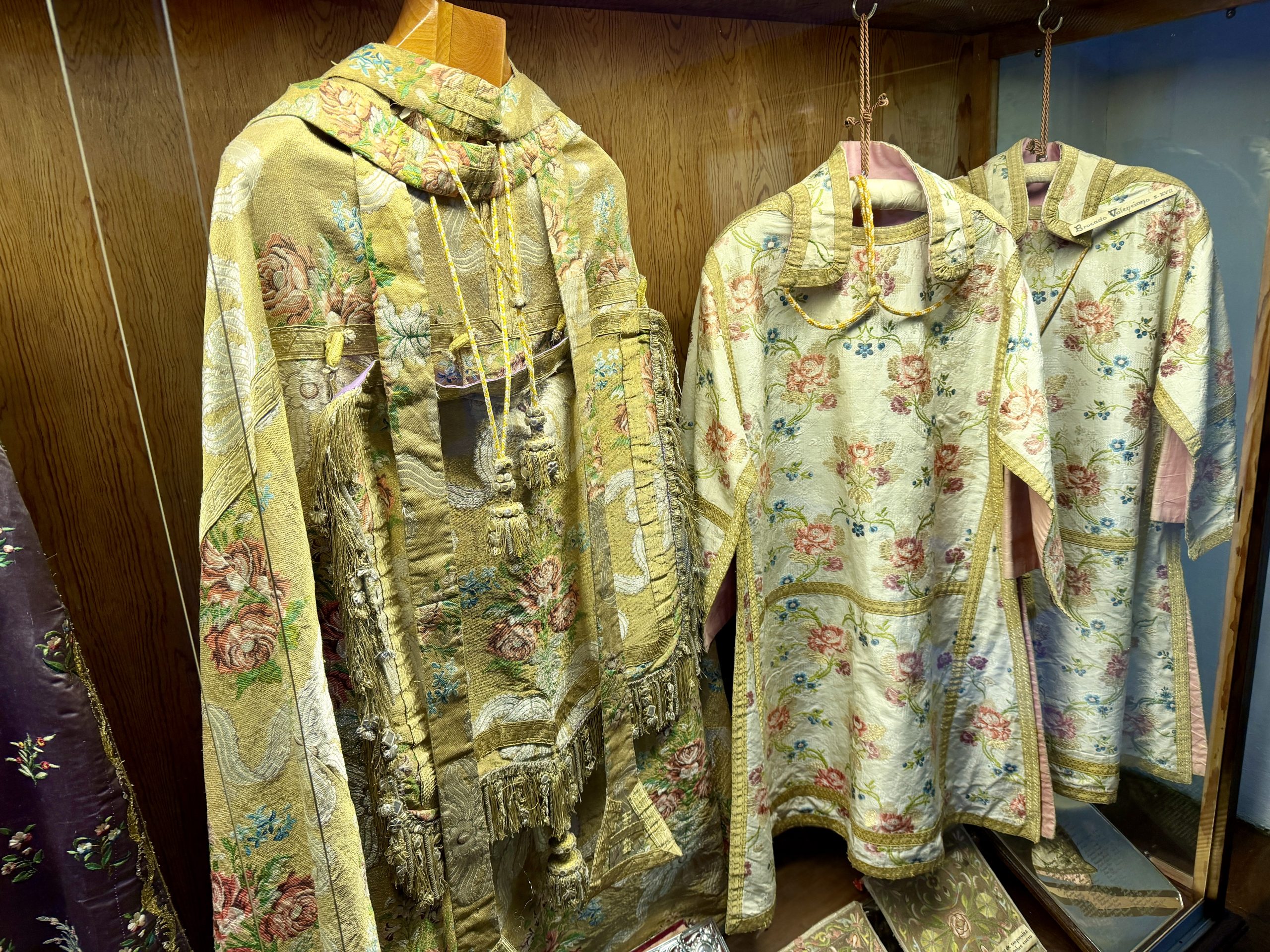
There’s also a collection of vestments dating back hundreds of years. I couldn’t help but notice dalmatics.
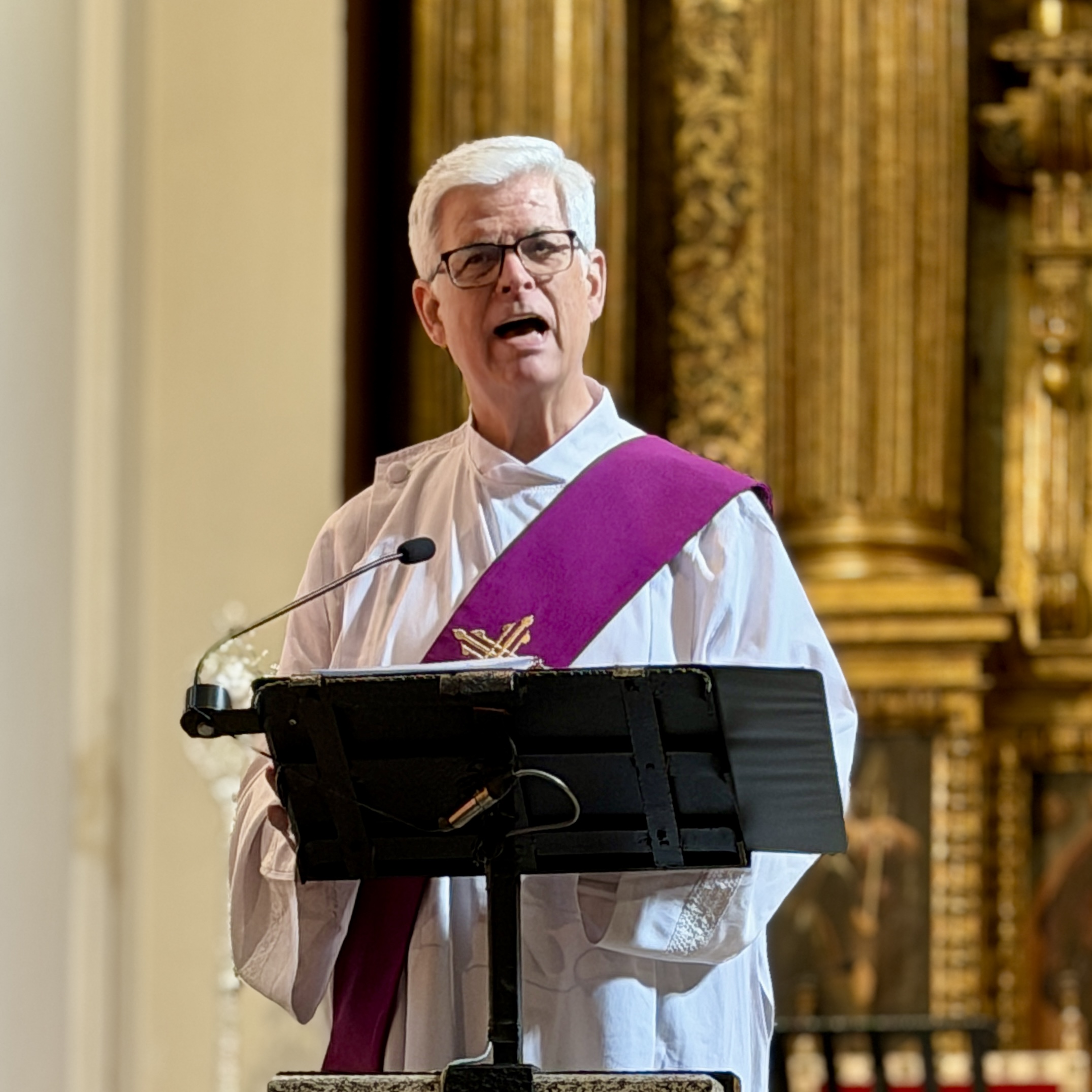
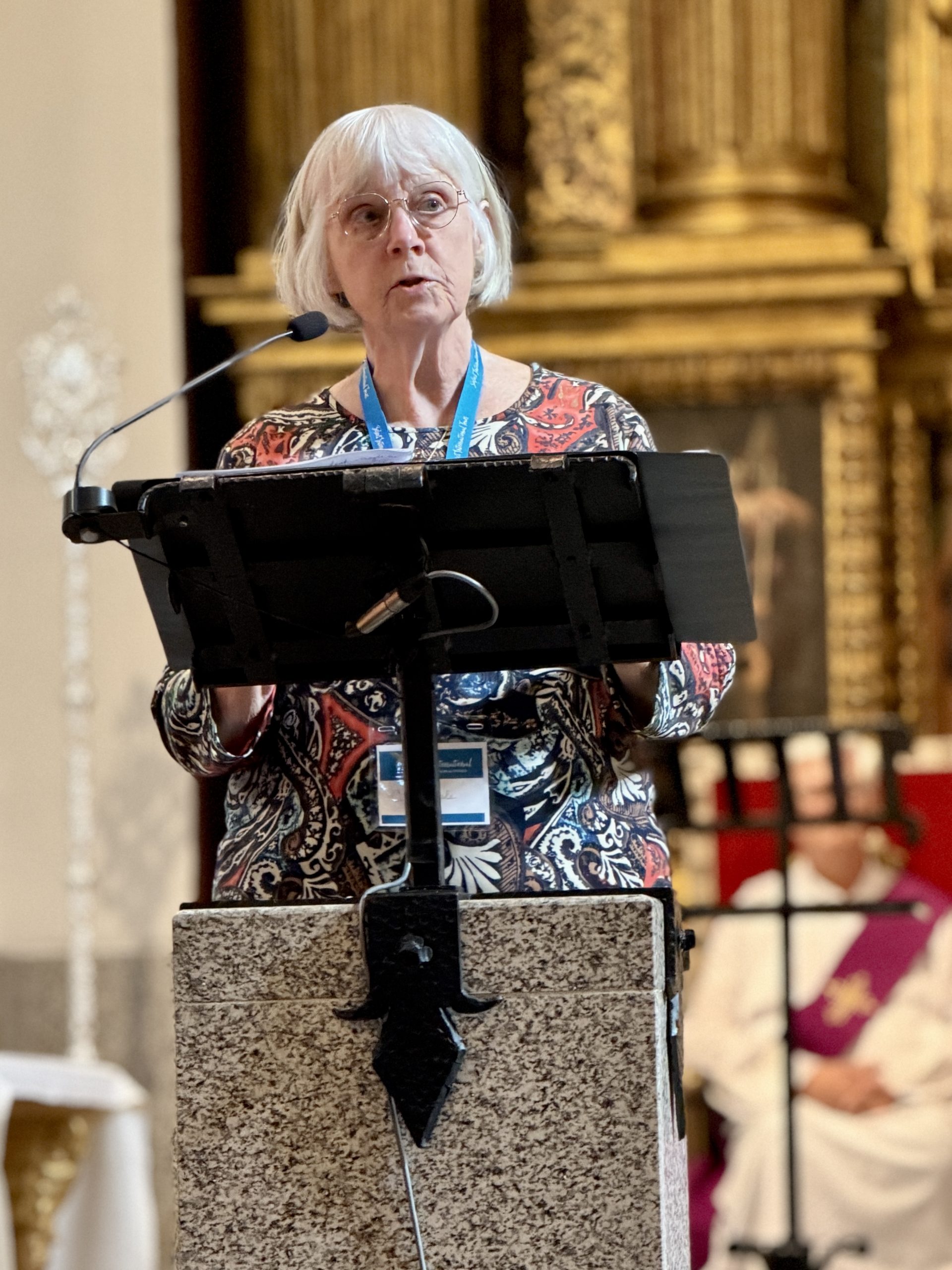
We celebrated Mass, with Deacon Thomas Whited preaching and Cindy Male lectoring.
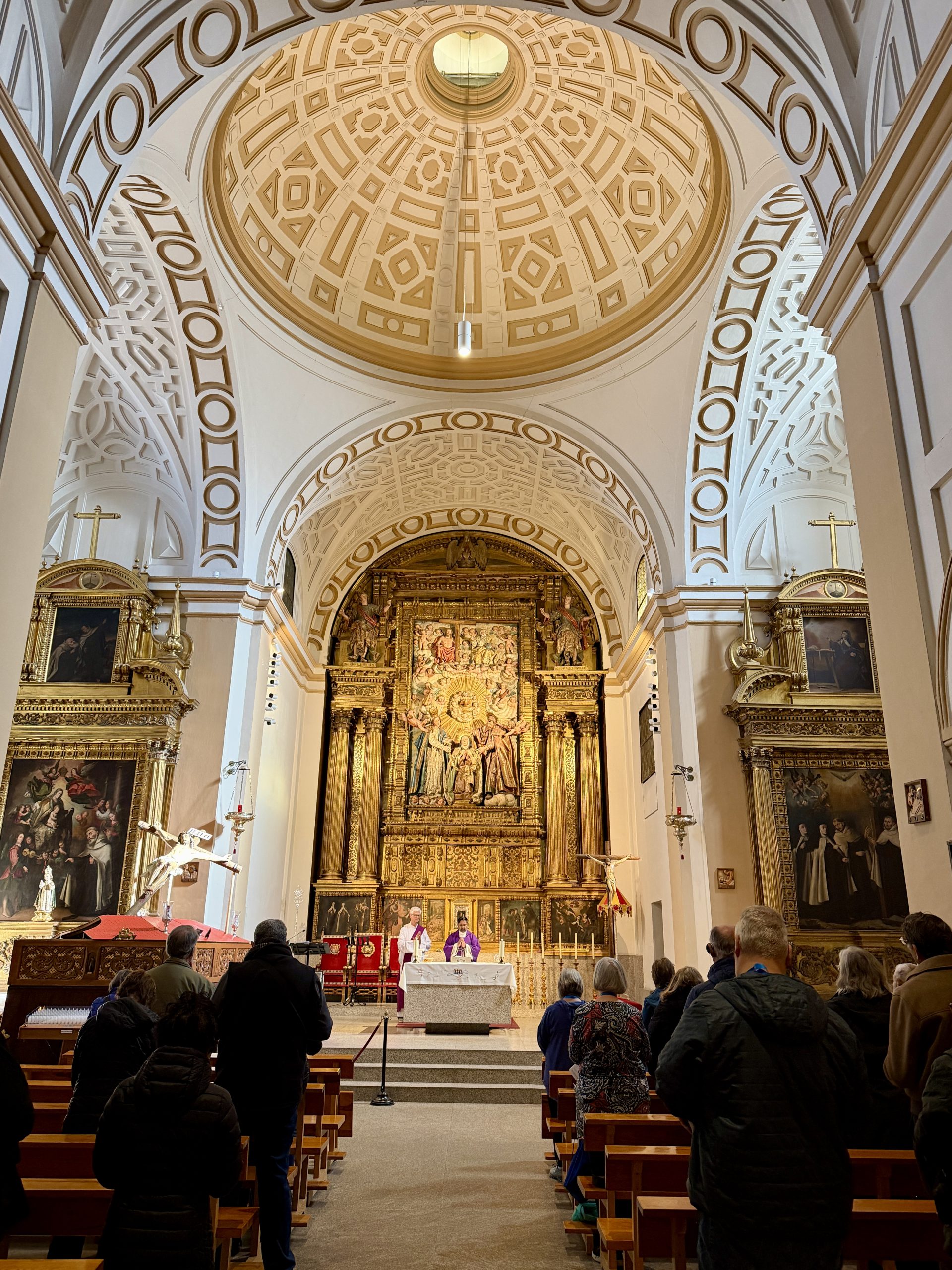
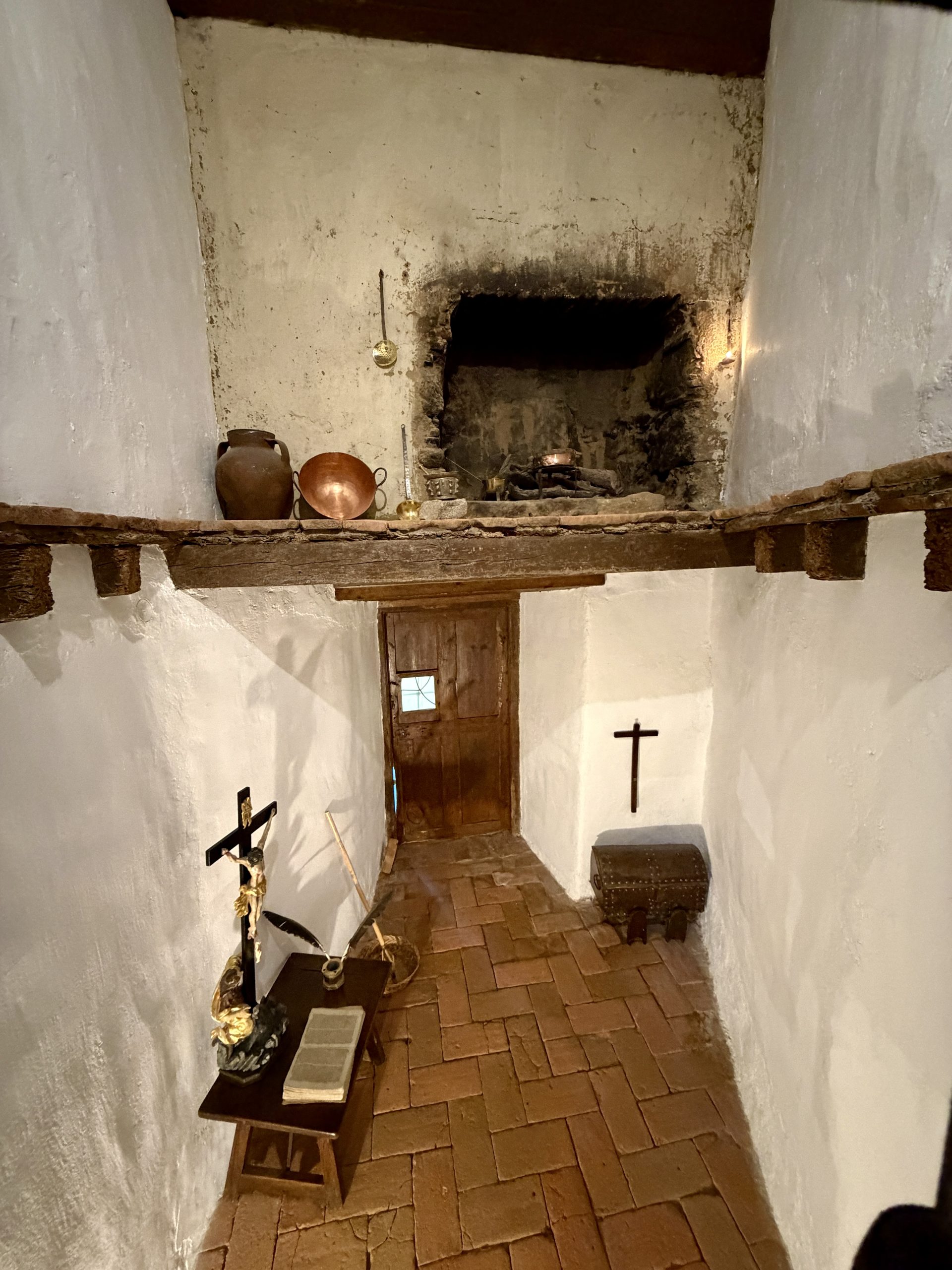
Among other sites we were able to see: a portion of all that remains of Teresa’s cell.
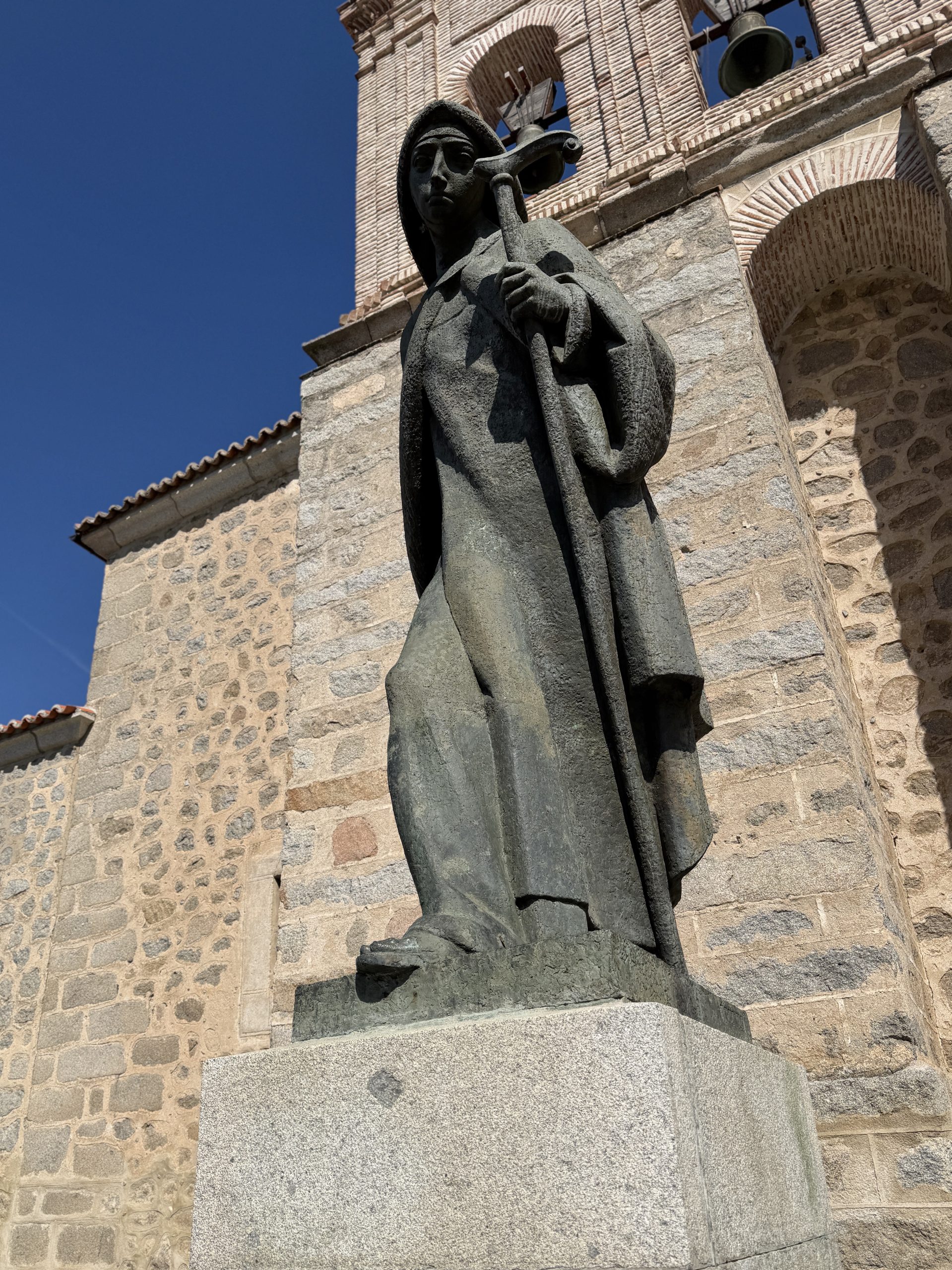
Late in the morning, we said goodbye to Avila and Teresa — whose image you find almost everywhere.
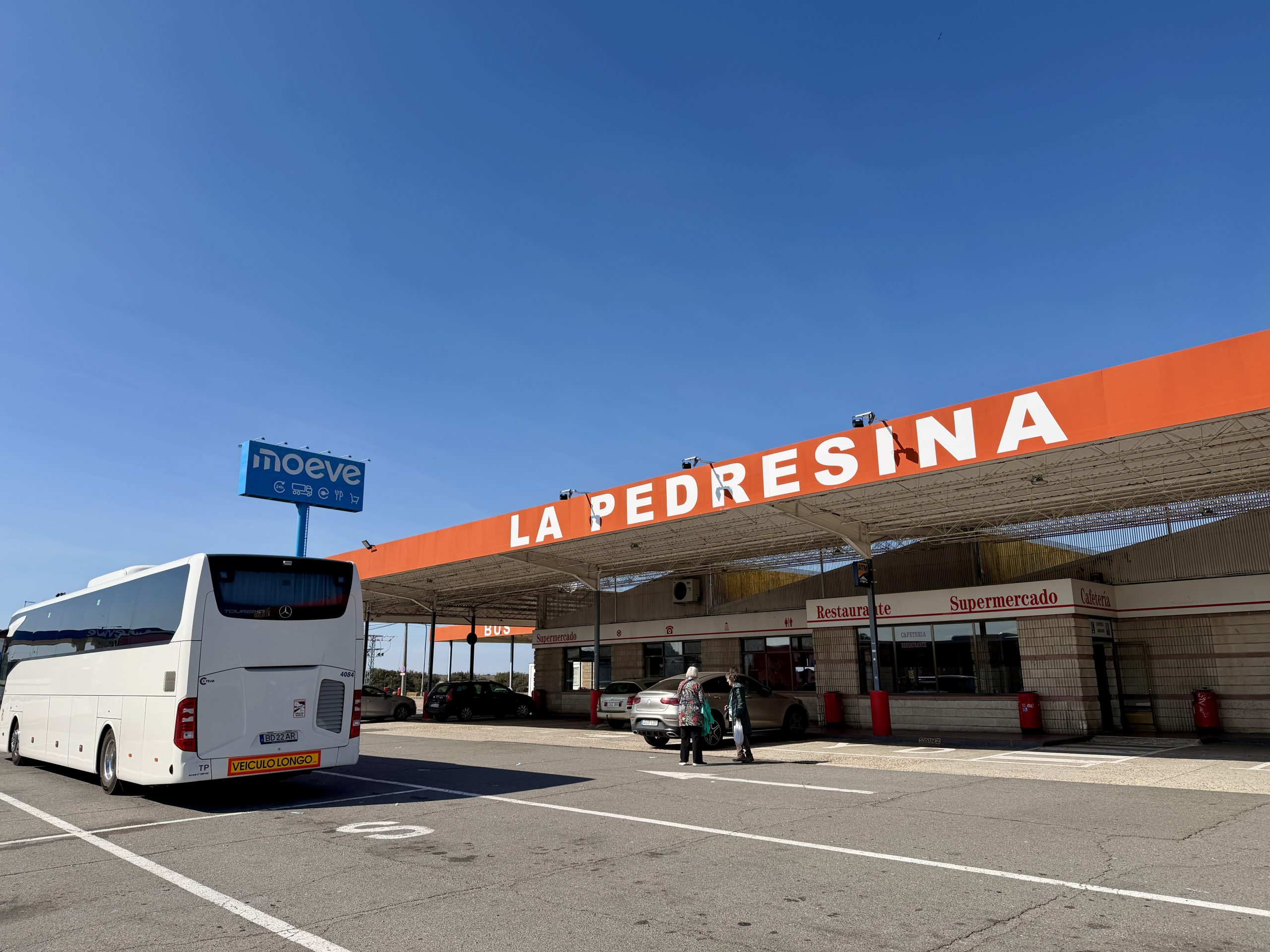
We hit the road. Which meant hitting a local truckstop for lunch.
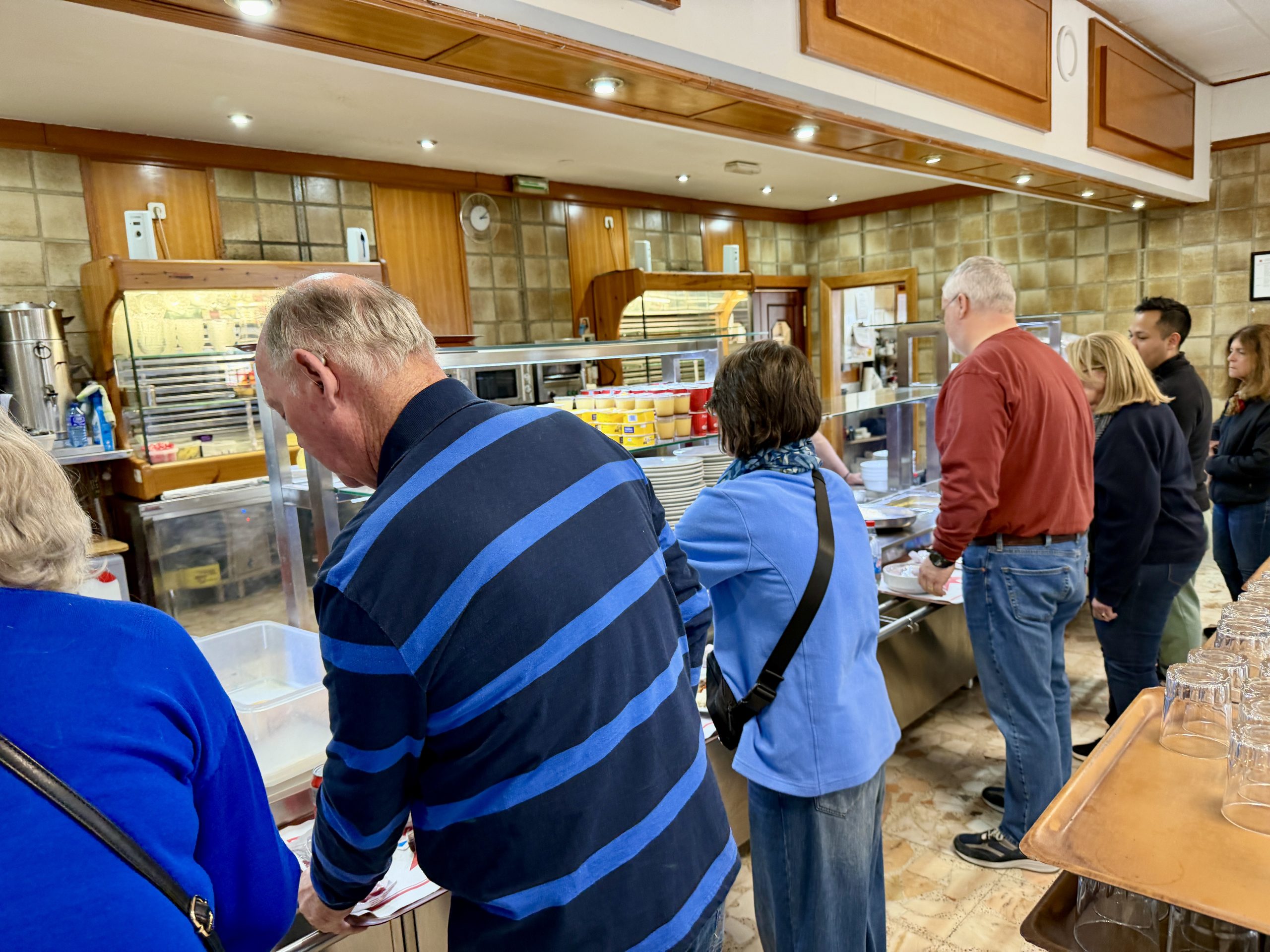
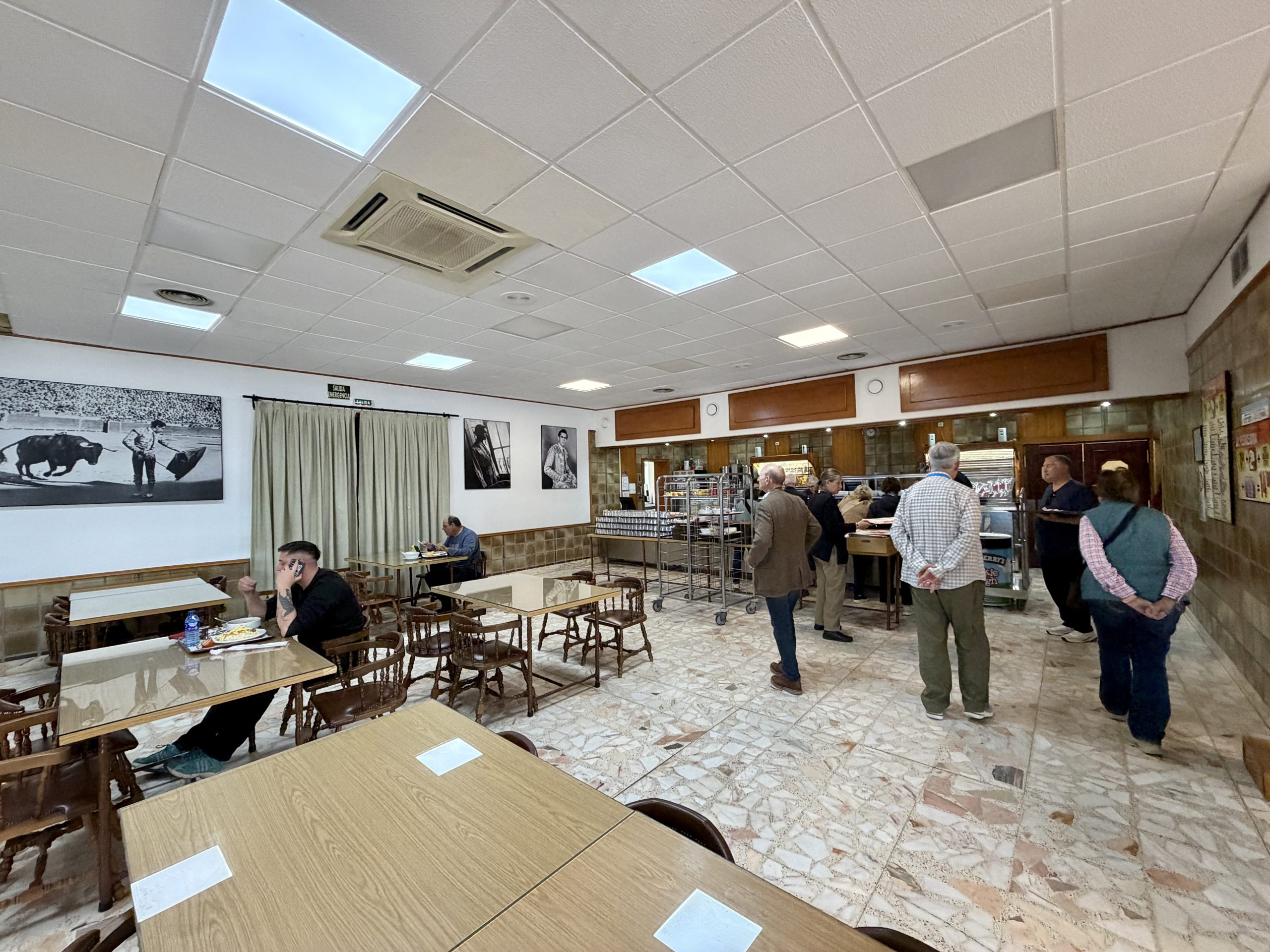
The owner, we learned, was a professional bull fighter, so pictures of him adorn the walls.
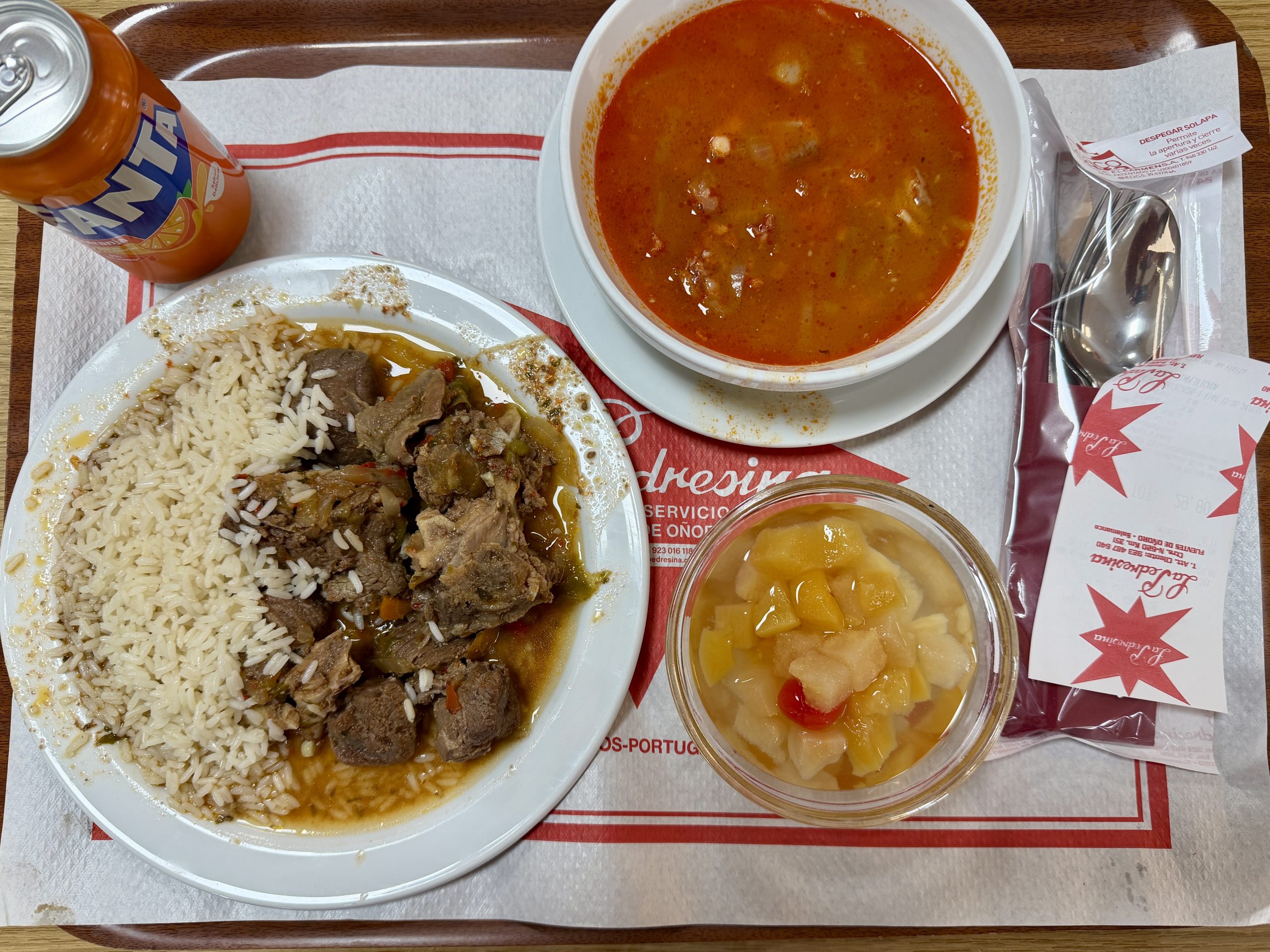
The food was good and plentiful. I chose the veal.
Late in the afternoon, we finally made it to Fatima, to check in to our hotel.
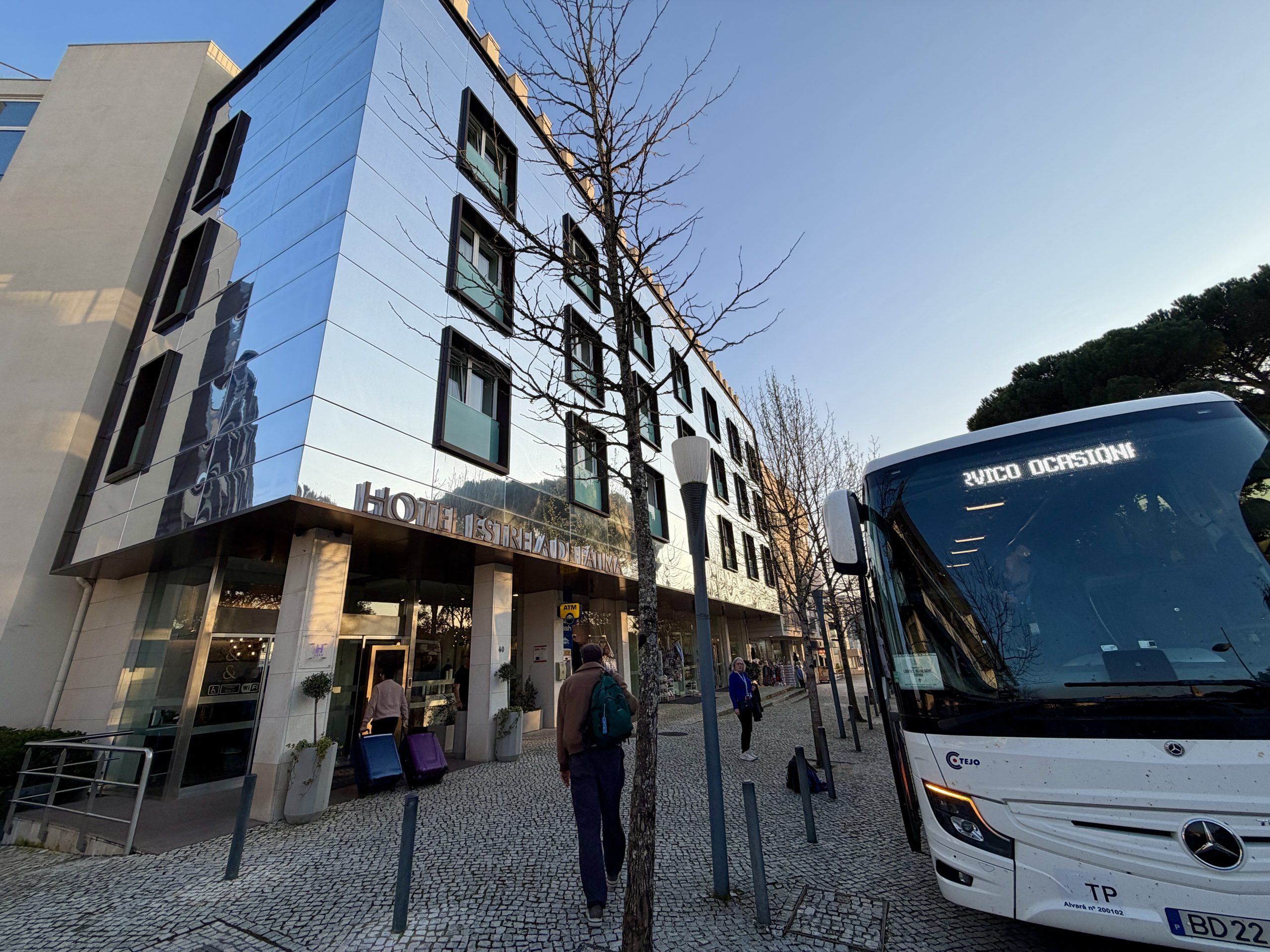
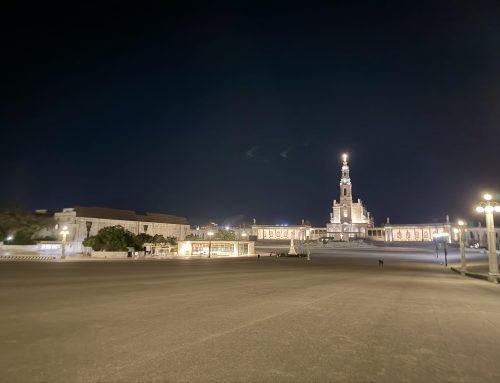
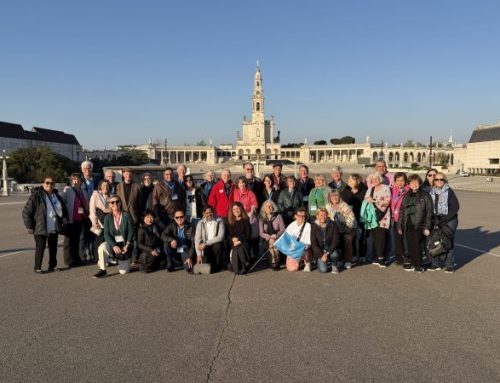
Incredibly, our hotel was across the street from the huge plaza and basilica — just a five-minute walk to one of the most treasured holy sites in Europe.
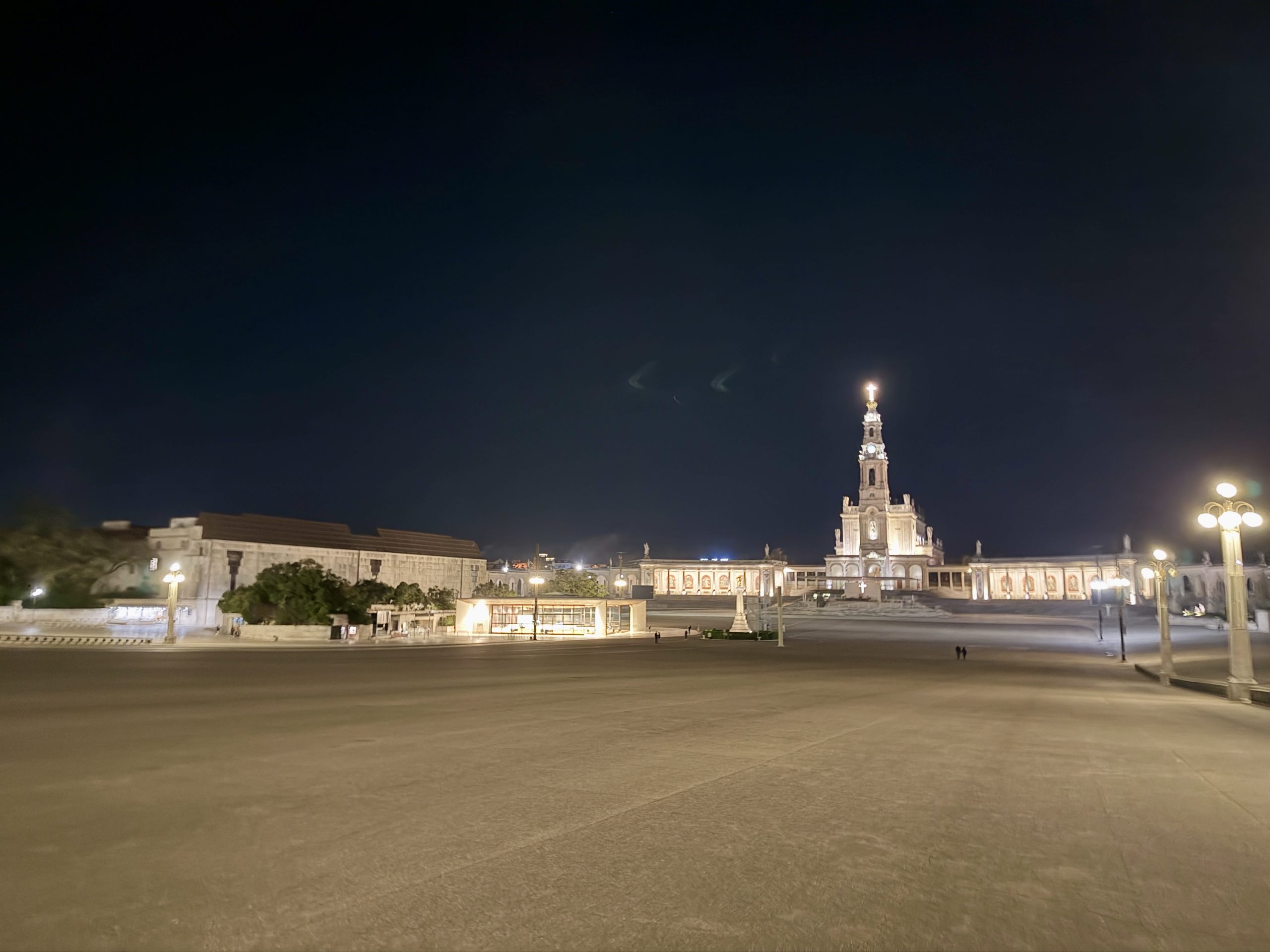
You could see the basilica from our lobby. 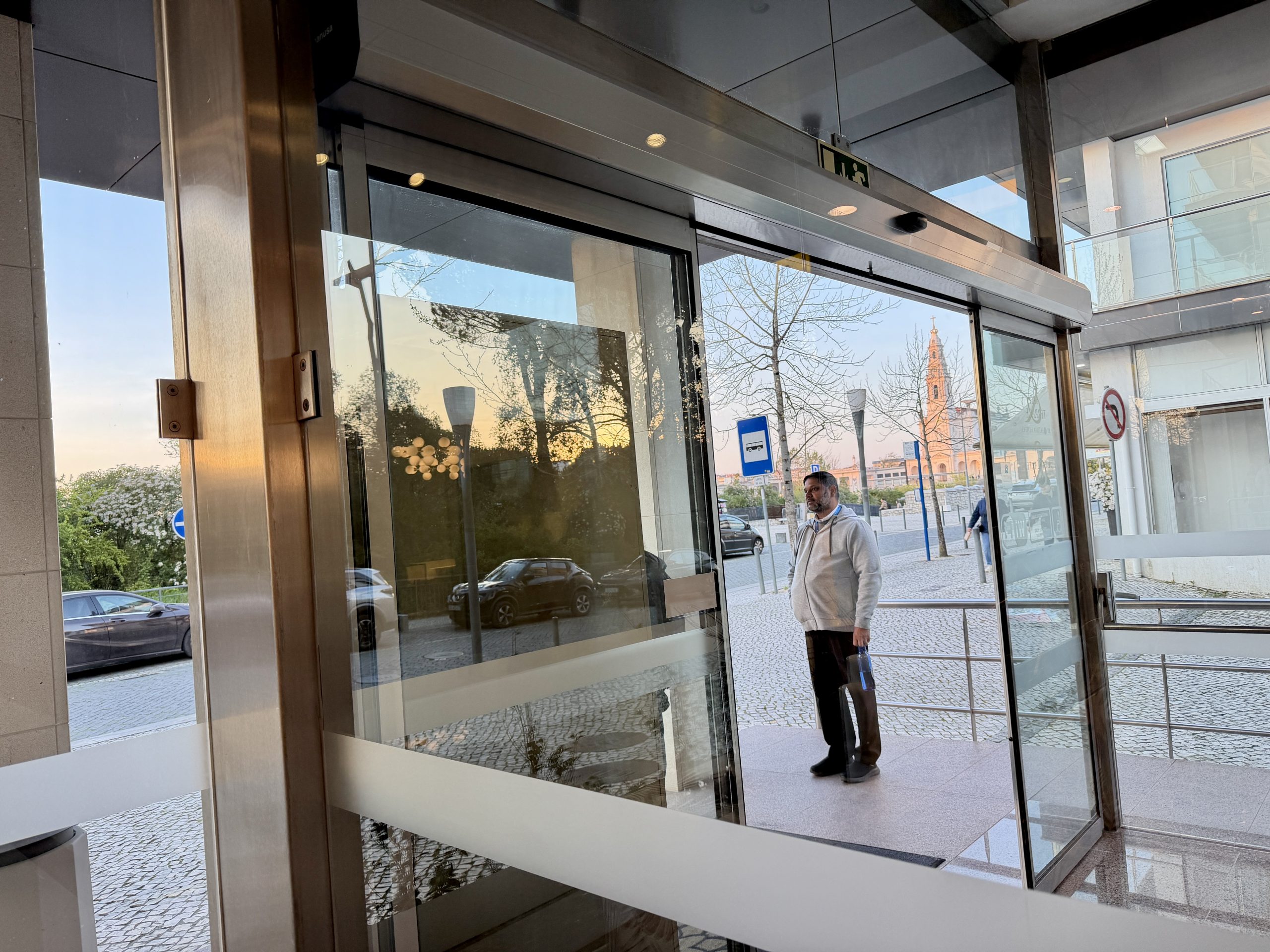
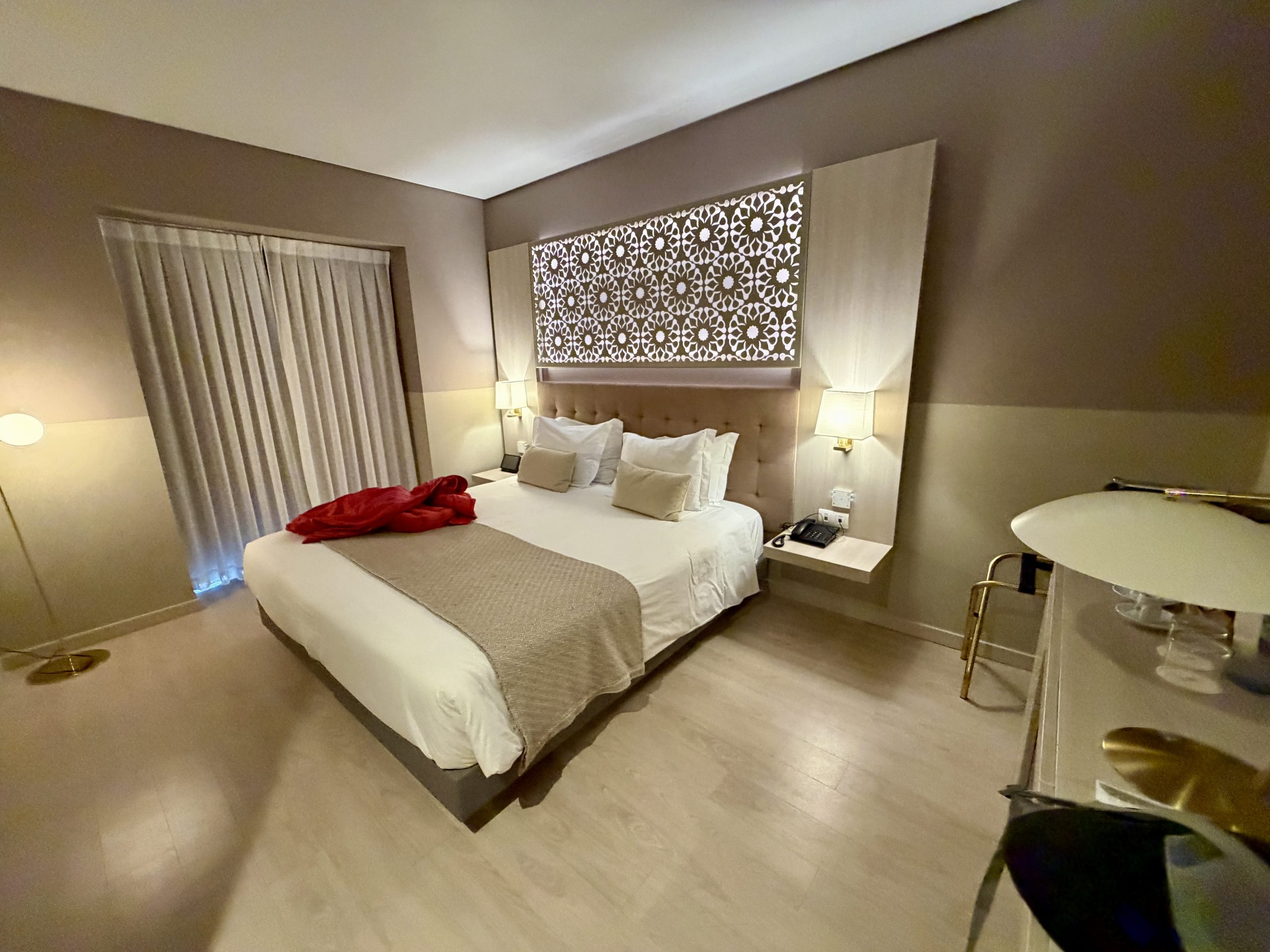
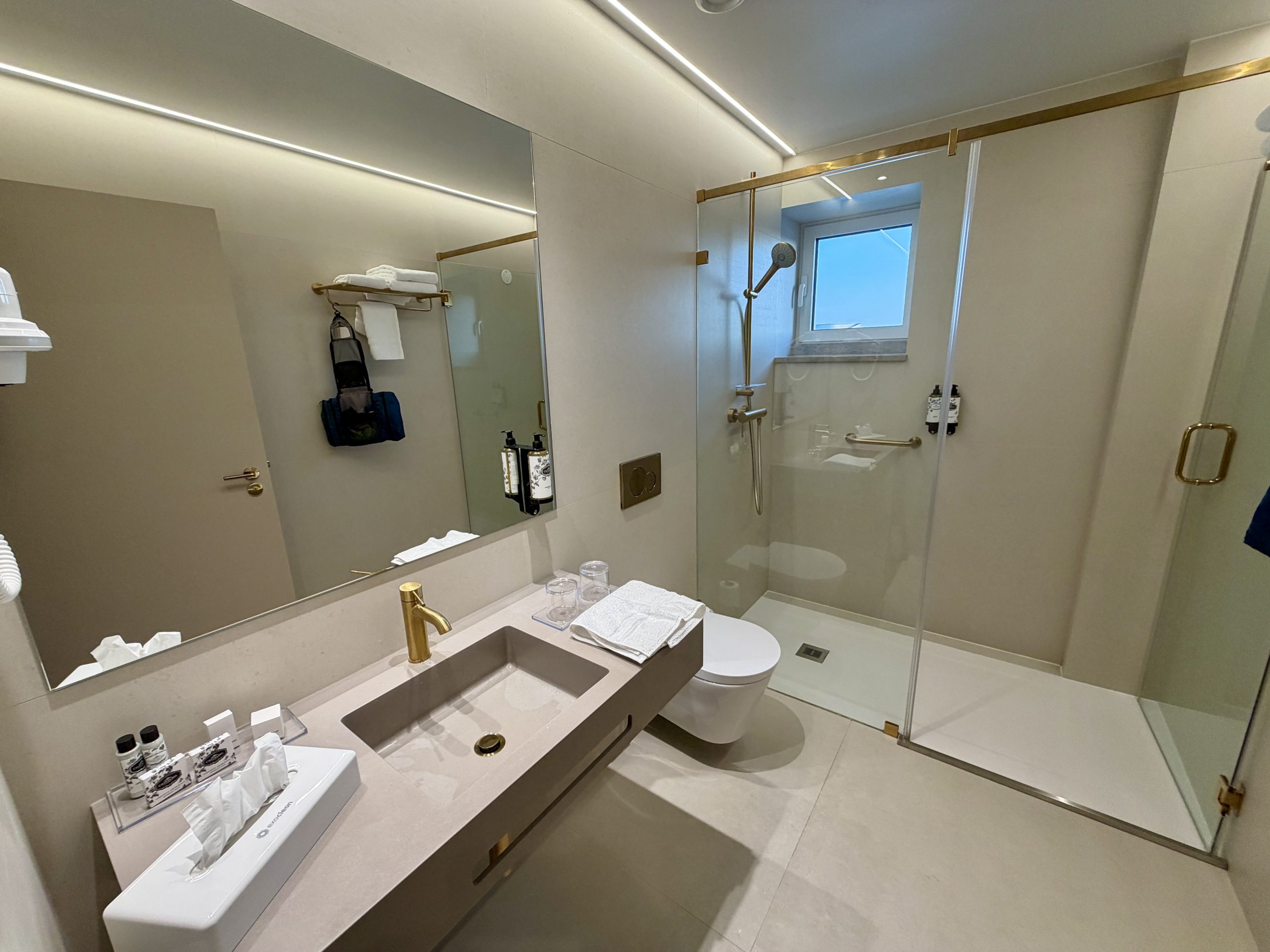
Our hotel, Hotel Estrela de Fatima, was gorgeous — updated, spacious, very comfortable and welcoming.
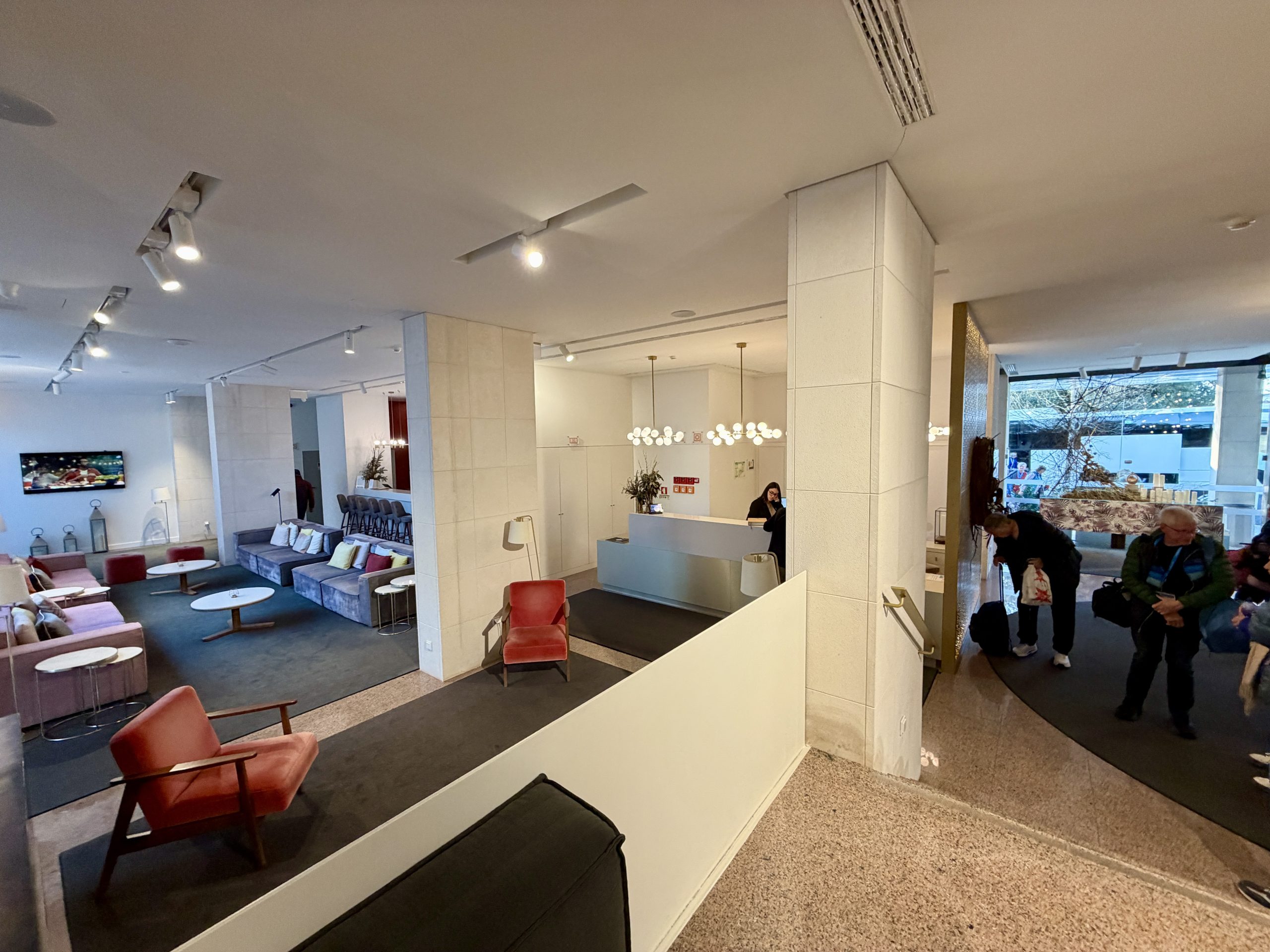
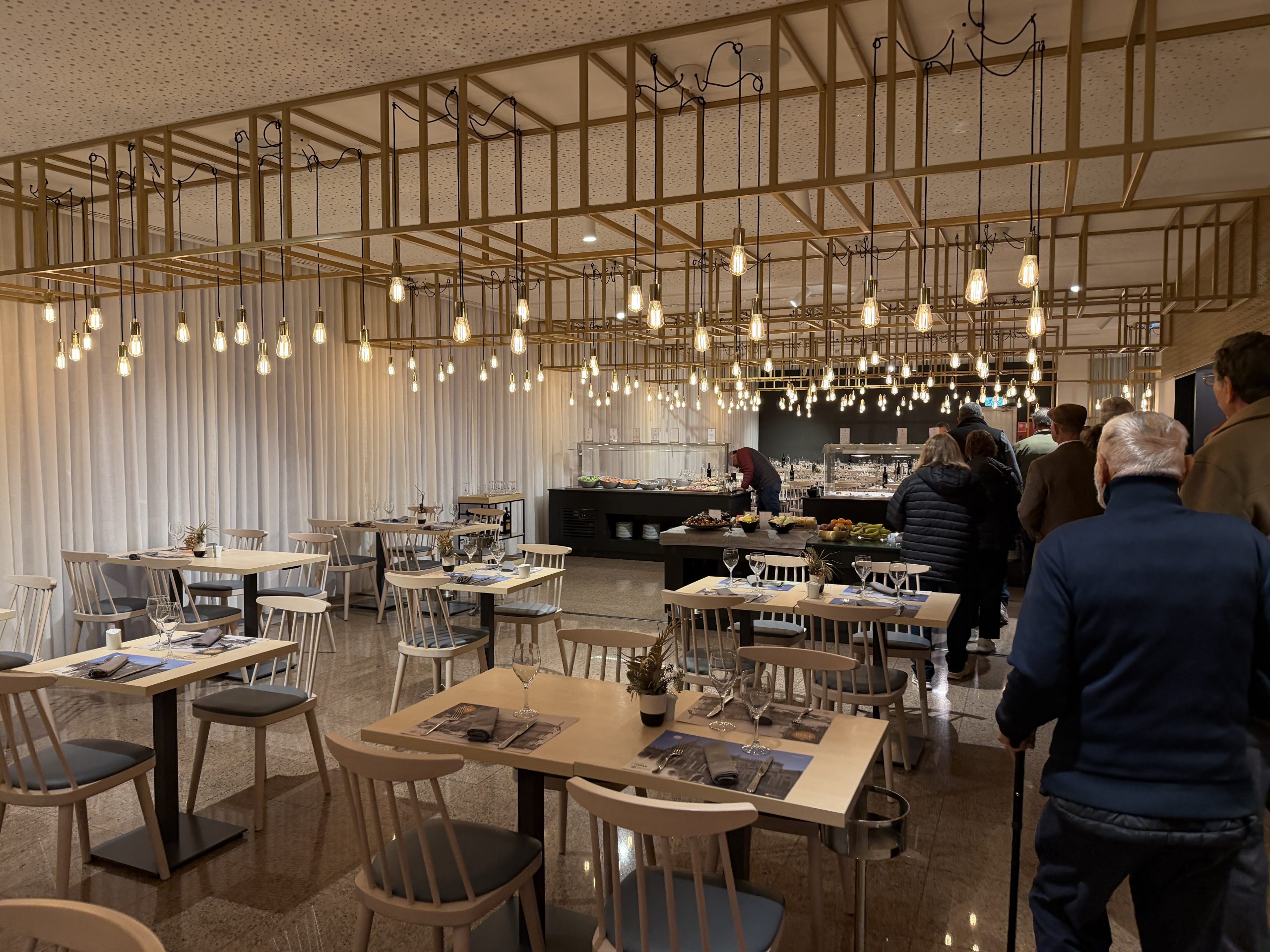
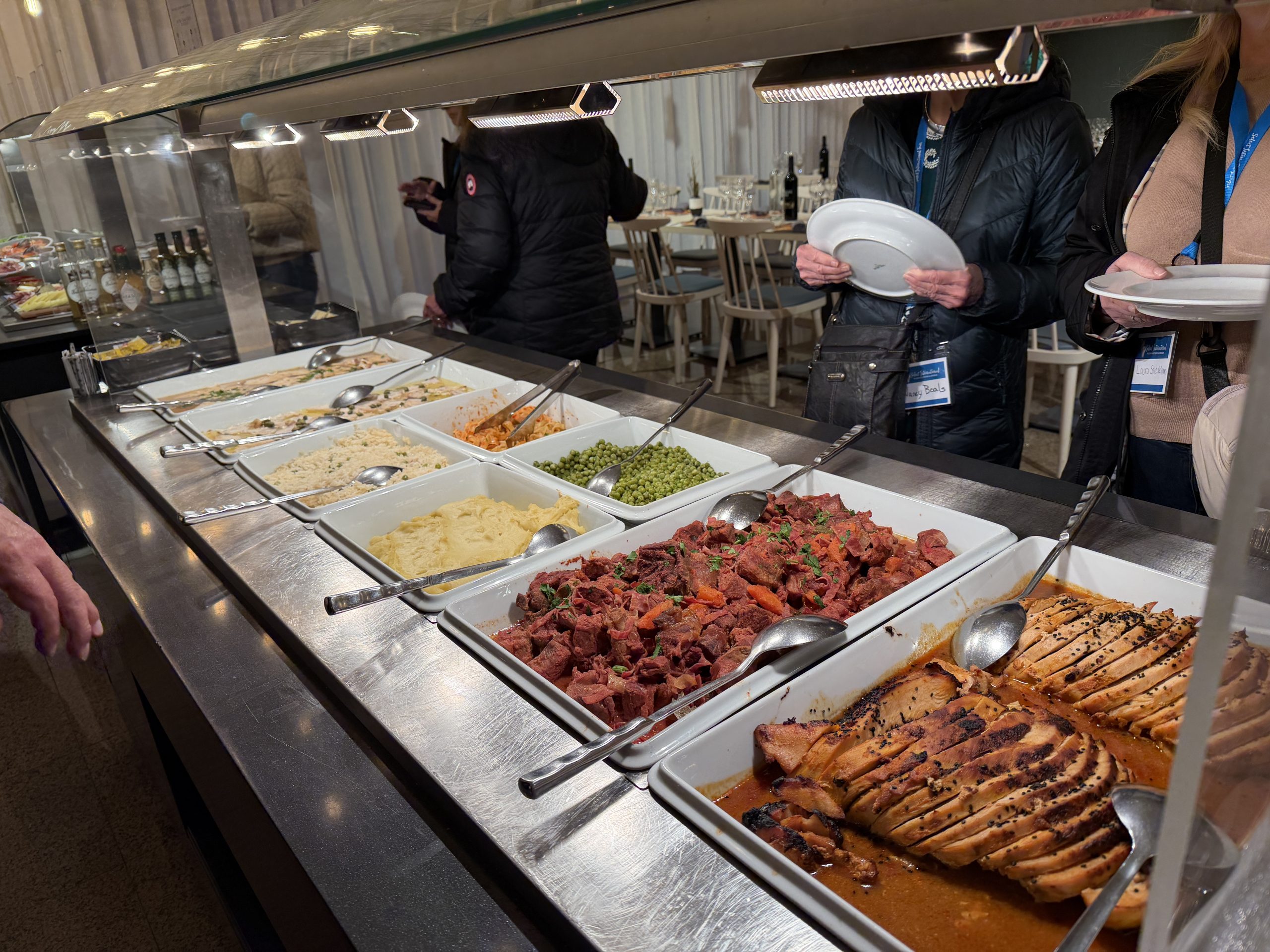
We enjoyed another memorable meal. Honestly, the hotel food on this trip gets very high marks, and the serving staffs at every hotel were friendly and accommodating.
After dinner, we made our way across the street to a chapel — and an emotional high point of this visit, praying the rosary with hundreds of other pilgrims in various languages and taking part in a candlelight processional around the square.
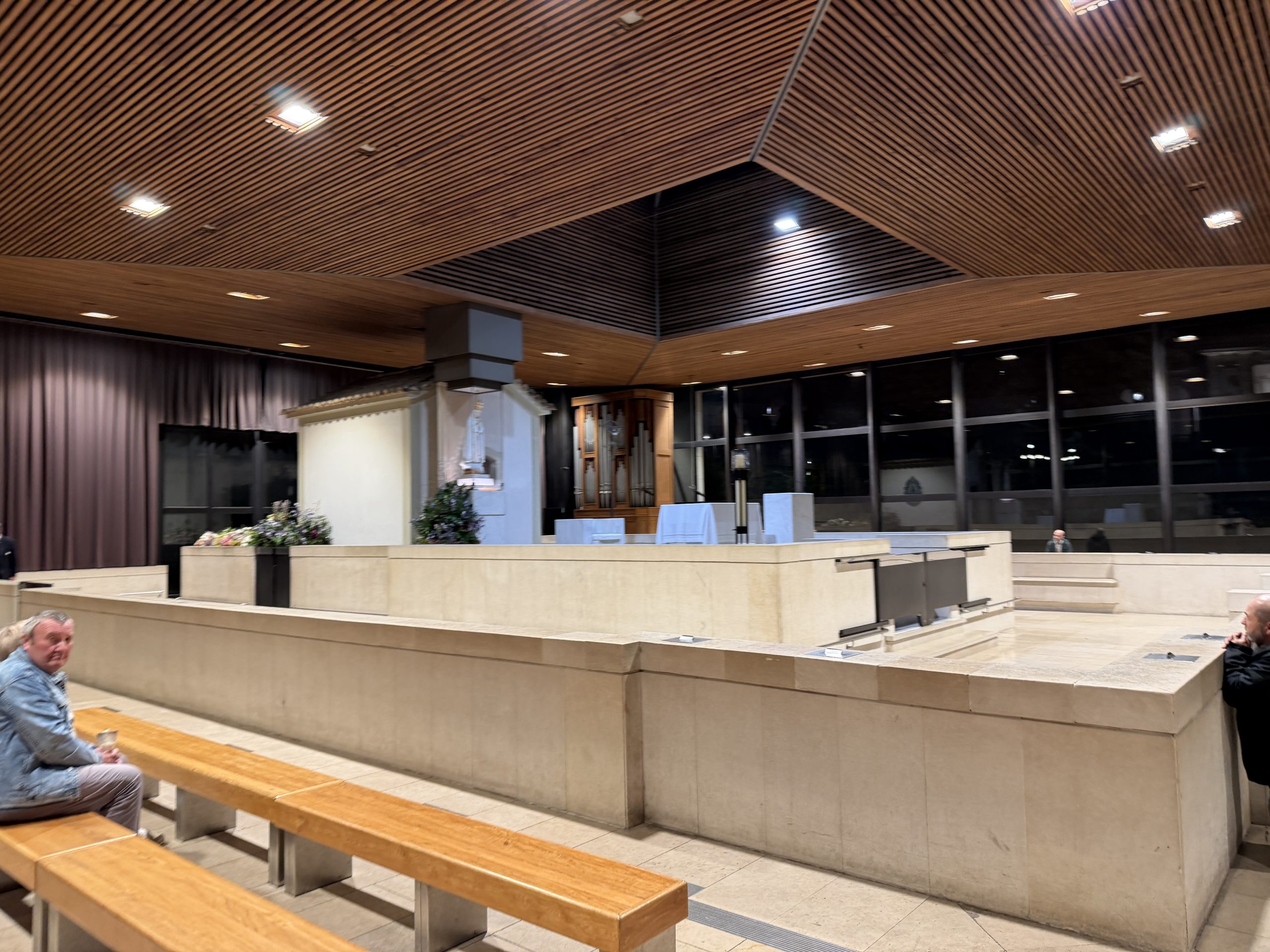
A standout moment: Siobhain and I were given the privilege of leading part of the 4th decade of the Sorrowful Mysteries in English.
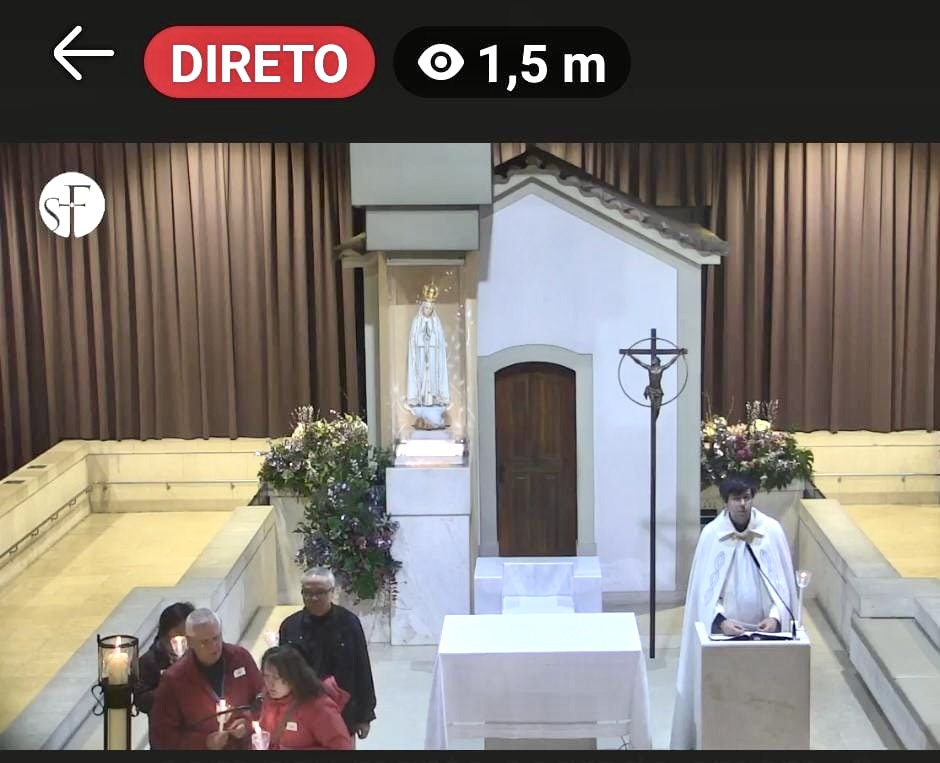
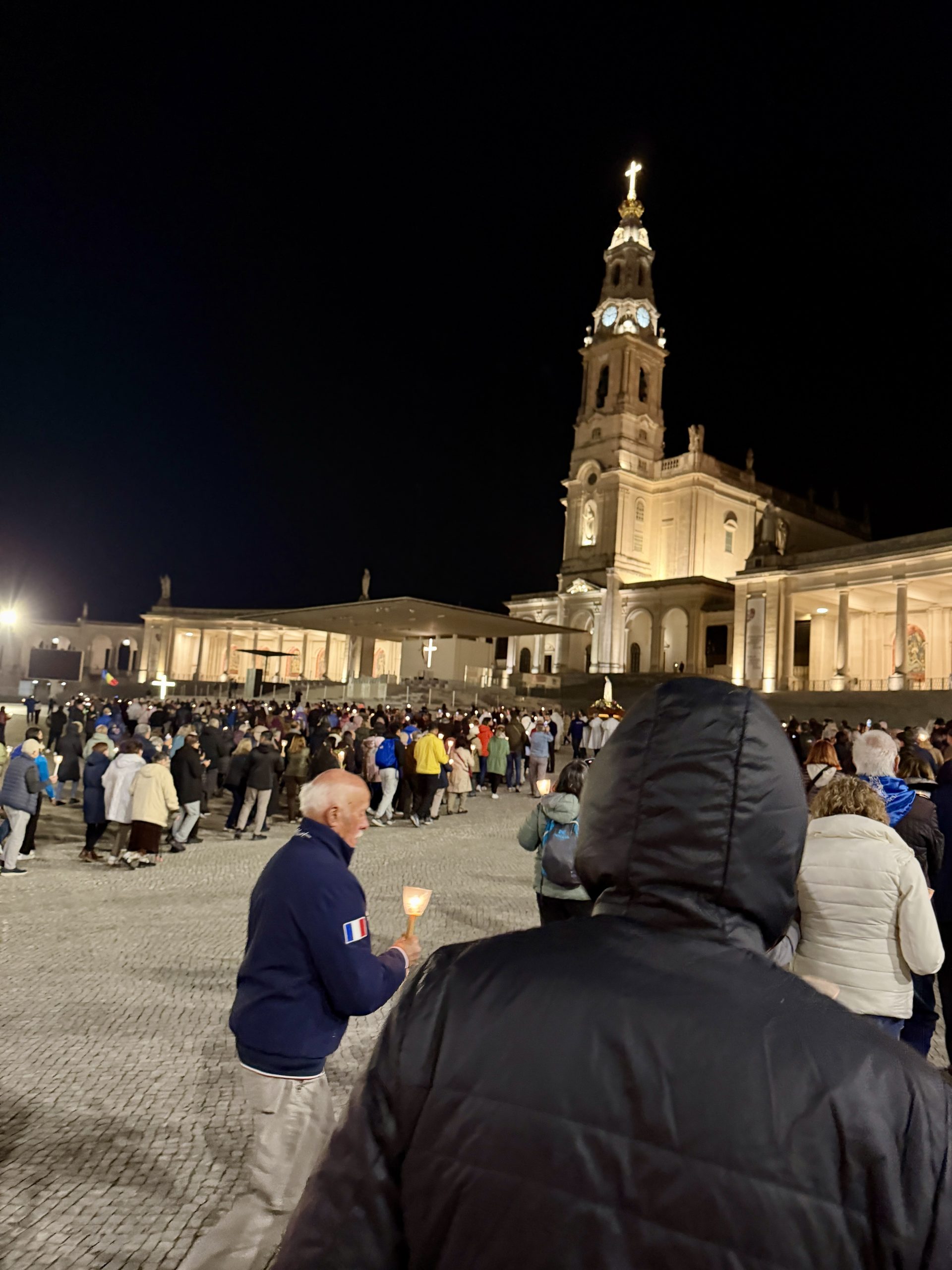
After the rosary and brief procession, we made our way back to the hotel to get ready for the next day: a walking tour of Fatima, including visits to the homes of the children who saw Our Lady.
What a day!