
Photo by Priscilla Du Preez 🇨🇦 on Unsplash
Columnist David French looked at that question in The New York Times the other day, and it’s worth thinking about at Christmas:
I can’t tell you the number of times I’ve heard someone say something like: I’ve experienced blowback in the secular world, but nothing prepared me for church hate. Christian believers can be especially angry and even sometimes vicious.
It’s a simple question with a complicated answer, but that answer often begins with a particularly seductive temptation, one common to people of all faiths: that the faithful, those who possess eternal truth, are entitled to rule. Under this construct, might makes right, and right deserves might.
Most of us have sound enough moral instincts to reject the notion that might makes right. Power alone is not a sufficient marker of righteousness. We may watch people bow to power out of fear or awe, but yielding to power isn’t the same thing as acknowledging that it is legitimate or that it is just.
The idea that right deserves might is different and may even be more destructive. It appeals to our ambition through our virtue, which is what makes it especially treacherous. It masks its darkness. It begins with the idea that if you believe your ideas are just and right, then it’s a problem for everyone if you’re not in charge…
…There’s also a theological objection to the idea that right deserves might. In Christian theology, Jesus was both God and man, a person without sin. I’m fallen and flawed. He is not.
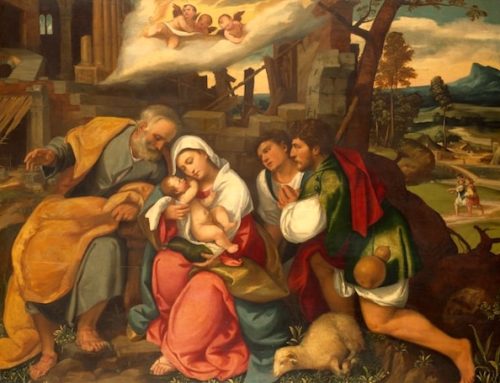
And how did this singular individual — this eternal being made flesh — approach power? He rejected it, by word and by deed. And it all began with Christmas.
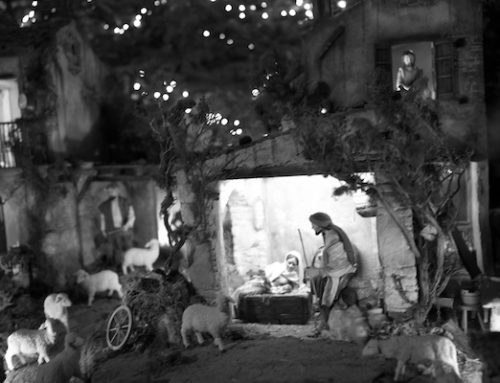
If a person is going to look for a coming king, the last place you’re going to start is in a stable. But that humble birth presaged a humble life and the establishment of what my former pastor always called “the upside-down kingdom of God.”
Christ’s words were clear, and they cut against every human instinct of ambition and pride:
“The last will be first.”
“It is easier for a camel to go through the eye of a needle than for a rich man to enter the kingdom of God.”
“If any man would come after me, let him deny himself and take up his cross and follow me.”
“Love your enemies and pray for those who persecute you.”
Those were the words. The deeds were just as clear. He didn’t just experience a humble birth; Jesus was raised in a humble home, far from the corridors of power. As a child, he was a refugee.
There’s much more he observes, concluding:
The way of Christ forecloses cruelty. It requires compassion. It inverts our moral compass, or at least it should. We love rags-to-riches stories, for example, so if many of us were writing Christ’s story, we might begin with a manger, but we’d end with a throne.
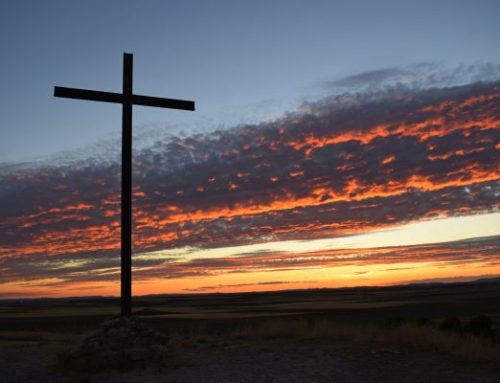
But Christ’s life began in a manger, and it ended on a cross. He warned his followers that a cross could come for them as well. An upside-down kingdom began with an upside-down birth. When Jesus himself is humble, how do we justify our pride?
As a friend likes to say: “See how these Christians shove one another.” Some of us don’t even come close to being Jesus called us to be. “Love my enemy? Yeah. Right.” The political mood of the moment doesn’t help matters. It only legitimizes cruelty and spite.
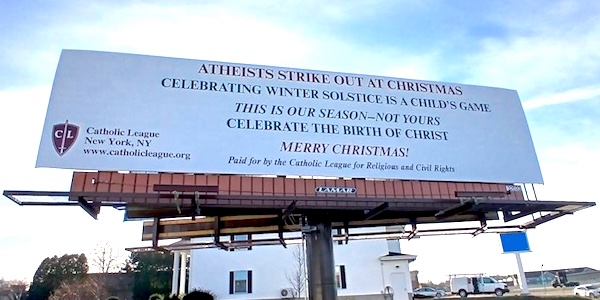
I thought about French’s piece when I saw the picture of this billboard below on social media. If you want to know WWJD, I don’t think it would be something like this. This the very definition of a turnoff. In fact, this is weird example of anti-evangelization, turning “we’re right, you’re wrong” into a pitiful, whine.
But as various observers have noted: the point here isn’t to evangelize or convert anyone. It’s to raise money. Saving souls isn’t the point; getting eyeballs (and checks) is. It’s preaching to the converted, and giving the unconverted and unbelieving more reasons to consider Christianity a religion of hypocrites and haters.