From The New York Times:
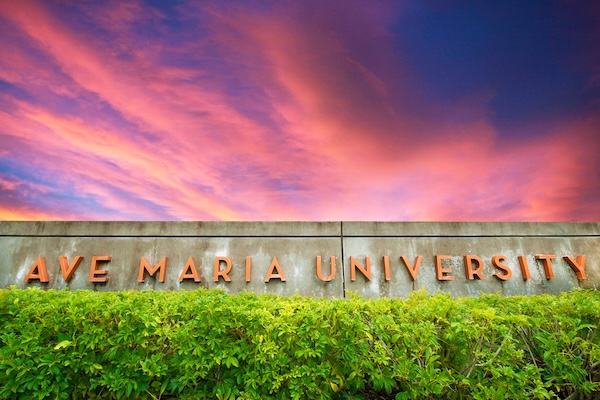
More than 40 measles cases have been reported at Ave Maria University in southwest Florida, the largest outbreak on a college campus in recent history.
The outbreak at the private Catholic college has raised concerns among university leaders and public health experts that measles, which has largely been considered a childhood illness, may present a growing threat to college students who aren’t vaccinated.
Measles has already disrupted several campuses across the country this year.
In South Carolina, more than 80 students at Clemson University and at Anderson University were quarantined in January after each institution reported a case on campus. Officials at the University of Wisconsin-Madison notified roughly 4,000 people this month that they had been exposed to the virus. Also this month, officials at the University of Florida informed students that two classes at its Gainesville campus had been exposed.
Most colleges require students to provide proof of vaccination against measles, but many allow students to claim religious or personal exemptions. There is no national data on vaccination rates among college students, but anecdotally, universities have noticed an uptick in personal exemptions in recent years, said Dr. Sarah Van Orman, past president of the American College Health Association and chief campus health officer at the University of Southern California.
Dr. Van Orman said that many colleges are now preparing for the possibility of measles outbreaks on their campuses, something that would have been considered very unlikely just a few years ago.
“For most of us, it’s not if we’ll get a case, it’s when,” Dr. Van Orman said.
Before the measles vaccine was introduced in the 1960s, getting sick in adulthood was rare. Nearly all children got measles before they turned 15. Roughly 450 people died from the infection every year, and the rest built up natural immunity well before adulthood.
But college students today grew up in a very different world. Thanks to the country’s high vaccination rates, it’s unlikely that they would have been exposed to the virus as a child. And today’s young adults were children during the early years of the modern vaccine skepticism movement, said Michael Osterholm, an infectious disease expert at the University of Minnesota.