From The Miami Herald:
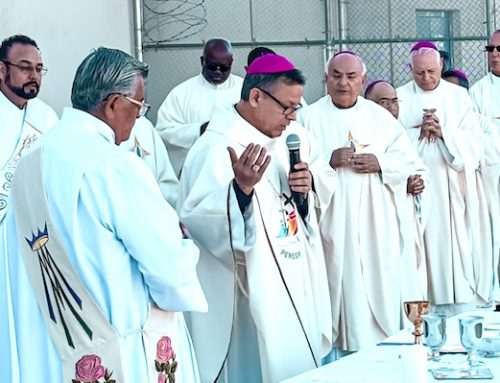
The Archbishop of Miami has some strong words about Florida’s new detention center for migrants in the Everglades. In a statement posted to the Archdiocese of Miami website, Archbishop Thomas Wenski condemned Alligator Alcatraz, calling it “alarming” and “unbecoming of public officials.”
“It is alarming to see enforcement tactics that treat all irregular immigrants as dangerous criminals,” he wrote. Wenski, Miami’s top Catholic leader, also criticized the rhetoric surrounding the facility calling it “intentionally provocative” and “corrosive of the common good.” “It is unbecoming of public officials and corrosive of the common good to speak of the deterrence value of ‘alligators and pythons’ at the Collier-Dade facility,” Wenski wrote.
Located in an idle airstrip near the Big Cypress National Preserve that the DeSantis administration seized from Miami-Dade County using emergency powers, the detention facility is surrounded by wild life and wild lands, which officials have joked could deter undocumented immigrants from escaping.
Gov. Ron DeSantis has said in the past that the location — a hot, swampy environment filled with alligators and pythons — could send a message to undocumented immigrants. “They ain’t going anywhere once they are there… because good luck getting to civilization,” DeSantis said at a news conference when the facility first opened last month. He then quipped: “The security is amazing. Natural and otherwise.”
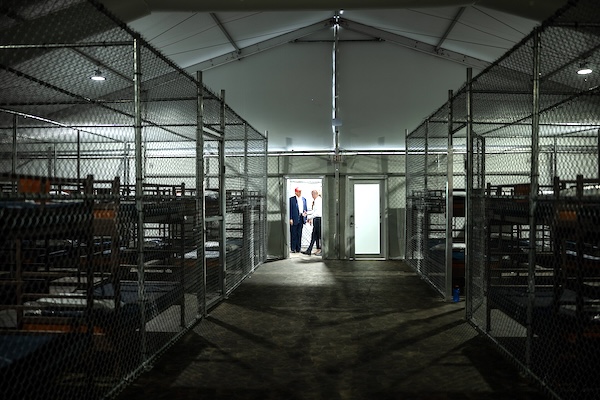
Wenski, in the statement, also criticized the conditions of the facility, raising concerns about the isolated location, which is far from hospitals, and the ability of the “temporary tent structures” to withstand extreme Florida temperatures and thunderstorms.
The bishops of the United States have long been advocates of reforms to our broken immigration system. Thoughtful observers of the challenges facing our country cannot help but recognize that serious reforms are necessary to preserve safety and the integrity of our borders, as well as to accommodate needs for labor, family stability, and the ability of those at risk of grave harm to migrate. We continue to propose reforms that will enhance our immigration system, respect human dignity, and promote the common good.
The administration has effectively achieved control of the border. It is aggressively moving to remove and deport “bad actors,” those who have entered the country and committed serious crimes, but, as employers in the agricultural or services sectors of our economy can tell you, most immigrants are hardworking and honest and only want to build a hopeful future for themselves and their families.
The majority, although not having permanent legal status, do enjoy some form of status such as TPS (Temporary Protective Status), parole, or a pending asylum application. Some (Haitians, Cubans, Venezuelans, and Nicaraguans) came with special humanitarian visas good for two years, but conditions in their countries of origin have yet to improve. Others came legally as students or visitors and fell out of status. The Dreamers were brought by their parents, and while the government has afforded them “deferred departure,” they have no path to legal permanent residence.
The US faces labor shortages in many industries, including healthcare, service, and agriculture. Removing immigrant workers will only exacerbate these shortages. Rather than spending billions to deport people who are already contributing positively to our nation’s well-being, it would be more financially sensible and more morally acceptable for Congress, working with the Administration, to expand legal pathways for non-criminal migrants to adjust to a permanent legal status. The administration is responsible for enforcing the laws, but Congress makes the laws and has the authority to change them.
As the new detention center at Dade-Collier Airport, also known as “Alligator Alcatraz,” becomes operational, it seems necessary to take stock of recent developments in immigration enforcement and reiterate the need for more than enforcement-only measures.
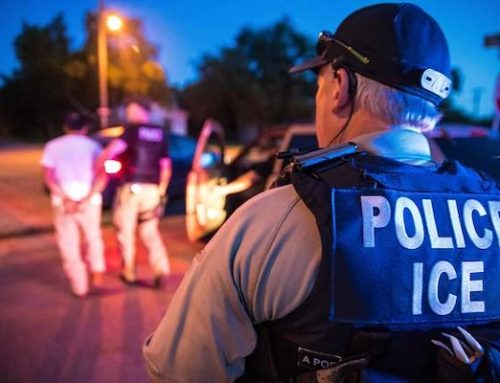
It is alarming to see enforcement tactics that treat all irregular immigrants as dangerous criminals. Masked, heavily armed agents who do not identify themselves during enforcement activities are surprising – so is the apparent lack of due process in deportation proceedings in recent months.
Along these lines, much of the current rhetoric is obviously intentionally provocative. It is unbecoming of public officials and corrosive of the common good to speak of the deterrence value of “alligators and pythons” at the Collier-Dade facility. Common decency requires that we remember the individuals being detained are fathers and mothers, brothers and sisters of distressed relatives. We wish to ensure that chaplains and pastoral ministers can serve those in custody, to their benefit and that of the staff. We also raise concerns about the isolation of the detention facility, which is far from medical care centers, and the precariousness of the temporary “tent” structures in the Florida heat and summer thunderstorms, not to mention the challenge of safely protecting detainees in the event of a hurricane.
We call on all people of goodwill to pray for our government officials, for those in immigration custody and their families, for those who work in enforcement, and for justice for all in this nation, whose prosperity immigrants have always contributed to.
Meanwhile, the Archdiocese of Miami and the Diocese of Venice in Florida have both been working to establish some pastoral outreach or chaplaincy to people being detained in “Alligator Alcatraz” — with no success.
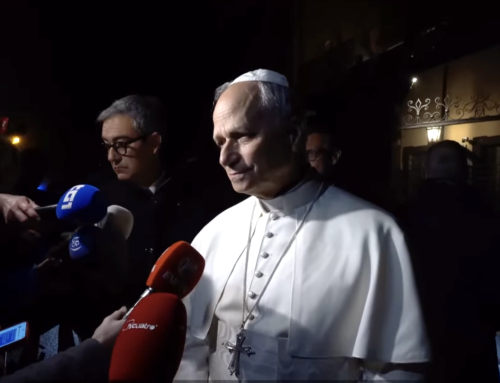
The Pillar recently posted this interview with the Bishop of Venice, Frank Dewane:
How is the Diocese of Venice responding pastorally to the needs of people detained at Alligator Alcatraz?
The center just opened, and the difficulty is finding out who is in charge of the religious ministry in this center.
We are working with the Archdiocese of Miami also in that regard, because of the proximity between both dioceses. Right now we are trying to figure out who is in charge of this and who’s going to respond to this, because we have left a lot of messages and there have not been return calls.
It has been made known to ICE that we are ready to extend pastoral ministry to this new location. But there has been an inability to be able to provide any clarity regarding clearance for religious services. Our people are clear to go into the state and federal institutions that exist within the diocese through our jail ministry.
Is it concerning to you that the two dioceses have not been able to make contact with ICE officials or authorities at Alligator Alcatraz in order to start offering pastoral care?
Yes, it is without a doubt concerning.
And that’s how this concern has come about or how this activity has come about. But there are ongoing meetings between the state of Florida and ICE — I think with any bureaucracies, when you get involved with multiple agencies in charge, there are a lot of discussions of who is in charge of what.
I can imagine there are those discussions going on internally which is slowing down the process of allowing chaplains in.
The fact that the place was flooded this morning is concerning because it shows what is happening with those common areas. It can become very much a threat to the physical and spiritual health of all the people who are there.
And we go in not just to care for the inmates, but also to provide services to those who are working there, to the correction officials who do work within a facility. We go there to take care of everyone who is there.
Ministering to those who are incarcerated is a concern for the Church throughout the world.
I think if we look at the origin of many of these individuals being incarcerated, they are from traditionally Catholic countries. So we do have a concern to help make sure their needs are being met — and we know they’re not, because we can’t, at this point, even get in.
We will continue in that dialogue to raise our concerns through the correctional channels that we have within the state of Florida. Hopefully they will be able to assist in making the appropriate contacts because they are individuals we’ve worked with for a long time already.