
Details from CNA:
For the first time since the Protestant Reformation, a reigning British monarch and a pope will pray together publicly during a royal state visit to the Vatican.
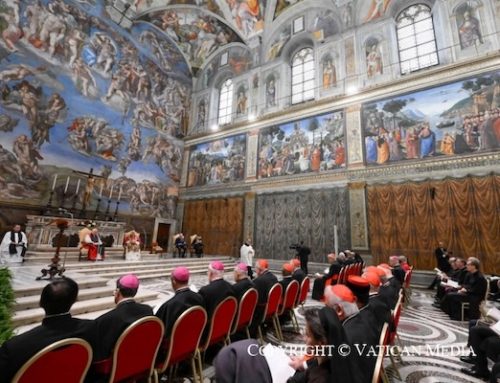
King Charles III will join in ecumenical prayer presided over by Pope Leo XIV for the care of creation inside the Sistine Chapel on Oct. 23, beneath Michelangelo’s frescoed ceiling, during the king’s first state visit to the Vatican with Queen Camila.
The Sistine Chapel Choir will sing together with England’s Choir of St. George’s Chapel and the Choir of His Majesty’s Chapel Royal for the historic ecumenical prayer which will focus on praising God the Creator, Vatican officials said.
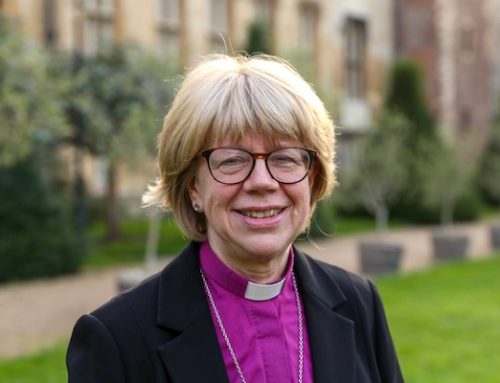
Stephen Cottrell, the Anglican Archbishop of York, will also participate.
The visit will mark the first meeting between King Charles and Pope Leo XIV. The two will first meet privately in the Apostolic Palace in the morning and will later be joined by business leaders in the palace’s Sala Regia for a discussion on care for creation and environmental sustainability.
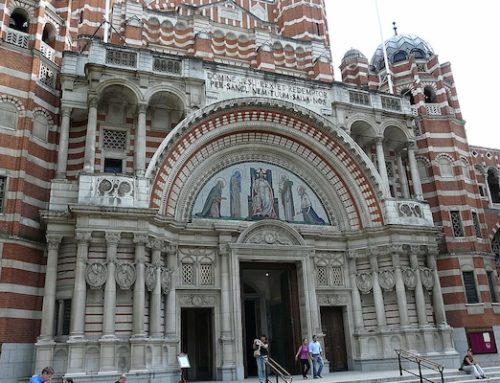
During the state visit, Cardinal James Michael Harvey, the archpriest of the basilica, will confer upon King Charles the title of “Royal Confrater” of the Papal Basilica of St. Paul Outside the Walls during an ecumenical service at the tomb of St. Paul in the basilica on the same day. The pope is not expected to attend.
The title, granted with the approval of Pope Leo XIV, is a gesture of “hospitality and ecumenical welcome,” Archbishop Flavio Pace, the secretary of the Dicastery for Promoting Christian Unity, said at a Vatican press briefing on Oct. 17.
The Basilica of St. Paul Outside the Walls has a historic connection to England’s monarchy. After the arrival in England of Roman monk-missionaries such as St. Augustine of Canterbury and St. Paulinus of York in the 6th and 7th centuries, Saxon rulers including Kings Offa and Æthelwulf contributed to the upkeep of the apostles’ tombs in Rome.
By the late Middle Ages, the kings of England were recognized as “protectors” of the Basilica of St. Paul and abbey, and its heraldic shield came to include the insignia of the Order of the Garter. That tradition was interrupted by the Reformation and the ensuing centuries of estrangement.