From CNA:
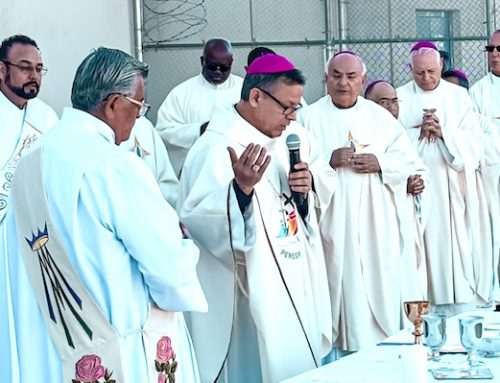
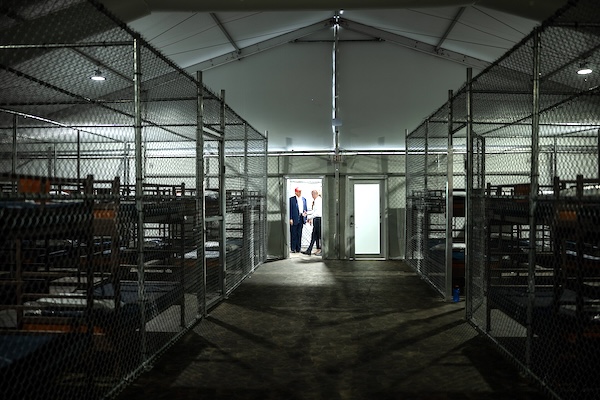
As part of a new Catholic ministry, the Archdiocese of Miami celebrated its first Mass at the Florida detention center for unauthorized immigrants known as “Alligator Alcatraz.”
“I am pleased that our request to provide for the pastoral care of the detainees has been accommodated,” Archbishop Thomas Wenski said in an Aug. 3 statement. “Also, we were able to respond to a request to provide similar service to the staff who reside at the facility.”
In a July interview with “EWTN News In Depth,” Wenski said his “greatest concern” was the “health and care of the people that are being detained” at Alligator Alcatraz. He and other advocates were calling for “a minimum of standards” and said that “one of those standards should be access to pastoral care.”
At the time, Wenski explained his archdiocese was having difficulty arranging Masses and spiritual care for the immigrants being held because the Florida state government and the federal government were “arguing among themselves who is accountable” for the detention center.
After months of discussions between Florida bishops, archdiocesan leadership, and state correctional authorities, an agreement was finally reached. Chaplains and pastoral ministers from the Archdiocese of Miami will have “full access” to the facility to offer liturgical Masses for detainees and staff.
The first Mass was held on Aug. 2 and is just the start of the regular liturgical celebrations expected at the center. The archdiocese reported that it will continue the ministry “following the facility’s guidelines and the pastoral availability of our clergy.”
Michelle Jurado, director of media relations for the archdiocese, clarified that “strict security protocols” required the archdiocese “to maintain confidentiality agreements upon entering the facility.
“As such, we are unable to share photos, names of clergy or staff, or any identifiable details regarding the location or participants,” said Jurado in an Aug. 3 email. “Upholding professional and pastoral boundaries is essential to maintaining our trusted access and respectful presence within the facility.”