



You don’t sleep in on Saturday when you’re on a pilgrimage.
We were up early once again to attend a talk in Vatican City billed as an “International Meeting. Deacons in a Synodal and Missionary Church: Being Witnesses of Hope.” It was held in a huge auditorium on the Via della Conciliazione, literally right down the road from St. Peter’s.
The place was packed.
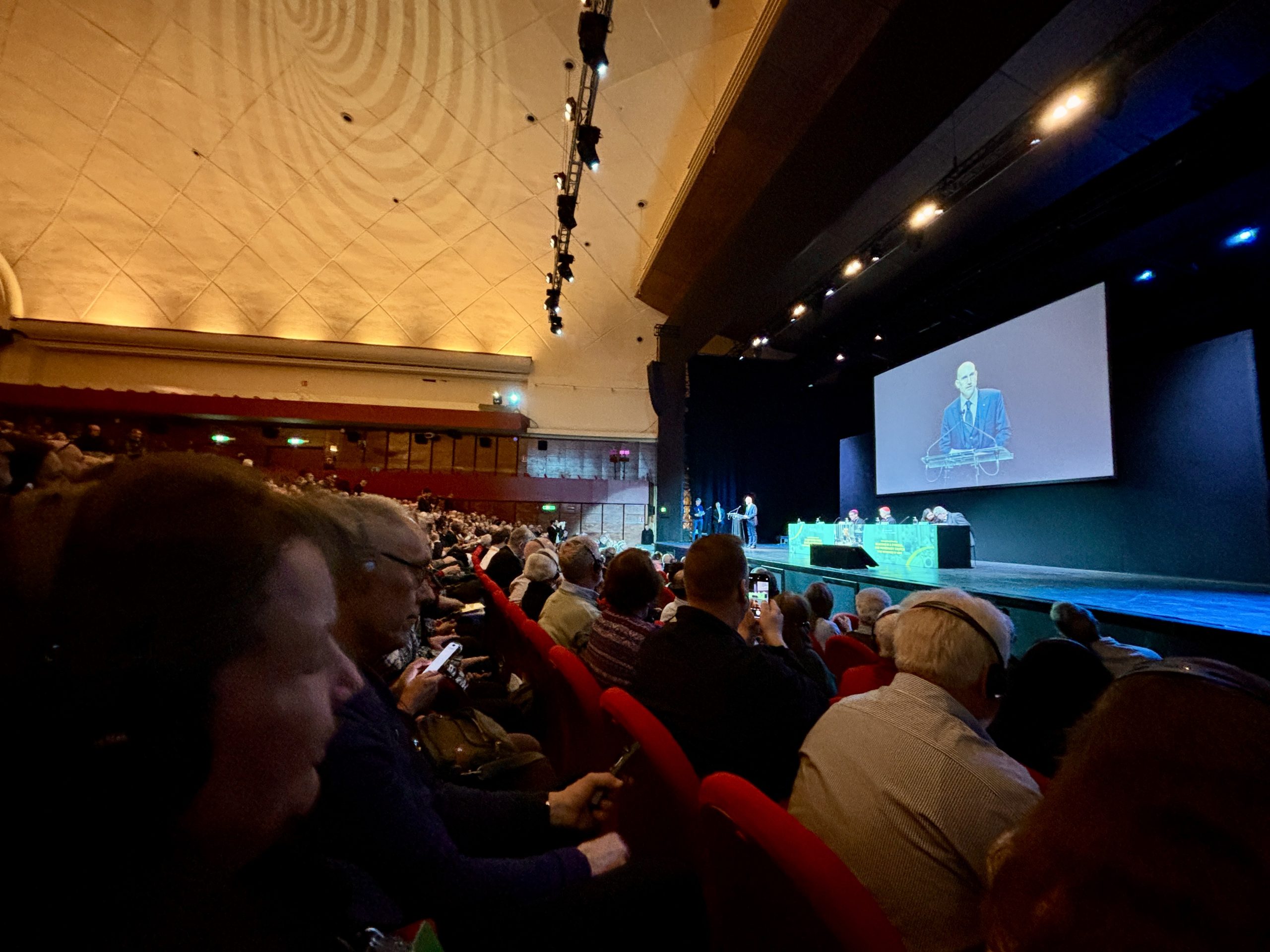

We arrived about 90 minutes ahead of the event, stood in line to get headsets so we could hear translations, and got seats near the front.
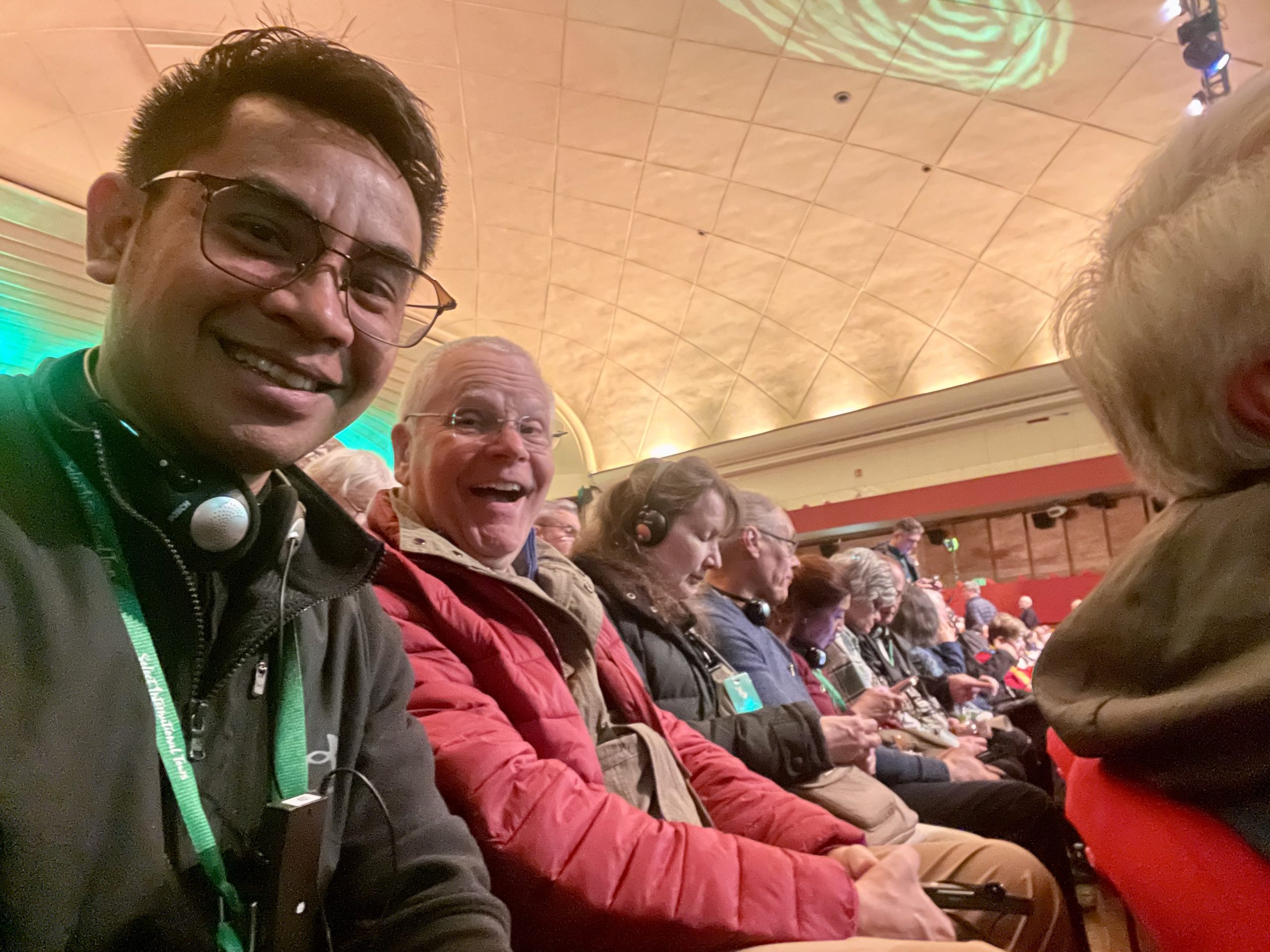
There was a long list of speakers who took to the stage — deacons from every region of the world who described the state of the diaconate in their own country, ticking off everything from the number of vocations to the kinds of ministries deacons exercised.
Something new — and, I think, significant — was the inclusion of testimony from the wife of a deacon, Mrs. Marie-Francoise Maincent, coordinator for the Network of Spouses at the International Center of the Diaconate in France.
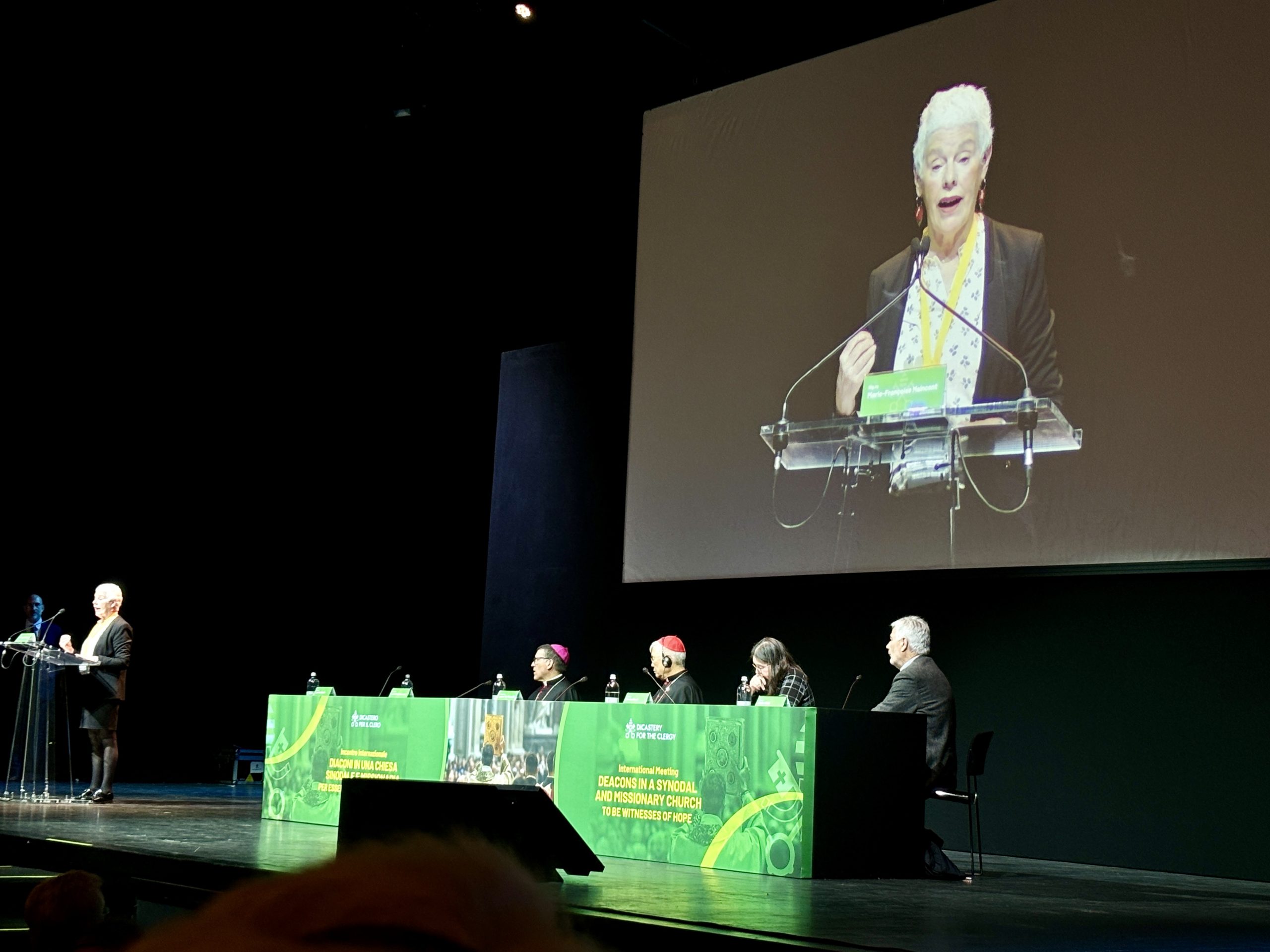
That caught my attention, along with frequent references from other speakers, event sponsors and moderators throughout the weekend who made it a point to speak warmly and enthusiastically about the importance of deacon spouses. I don’t recall anything like that from the Jubilee for Deacons that I attended in 2016. (There was another significant mention of wives later Saturday at a prayer vigil. More on that in a moment.)
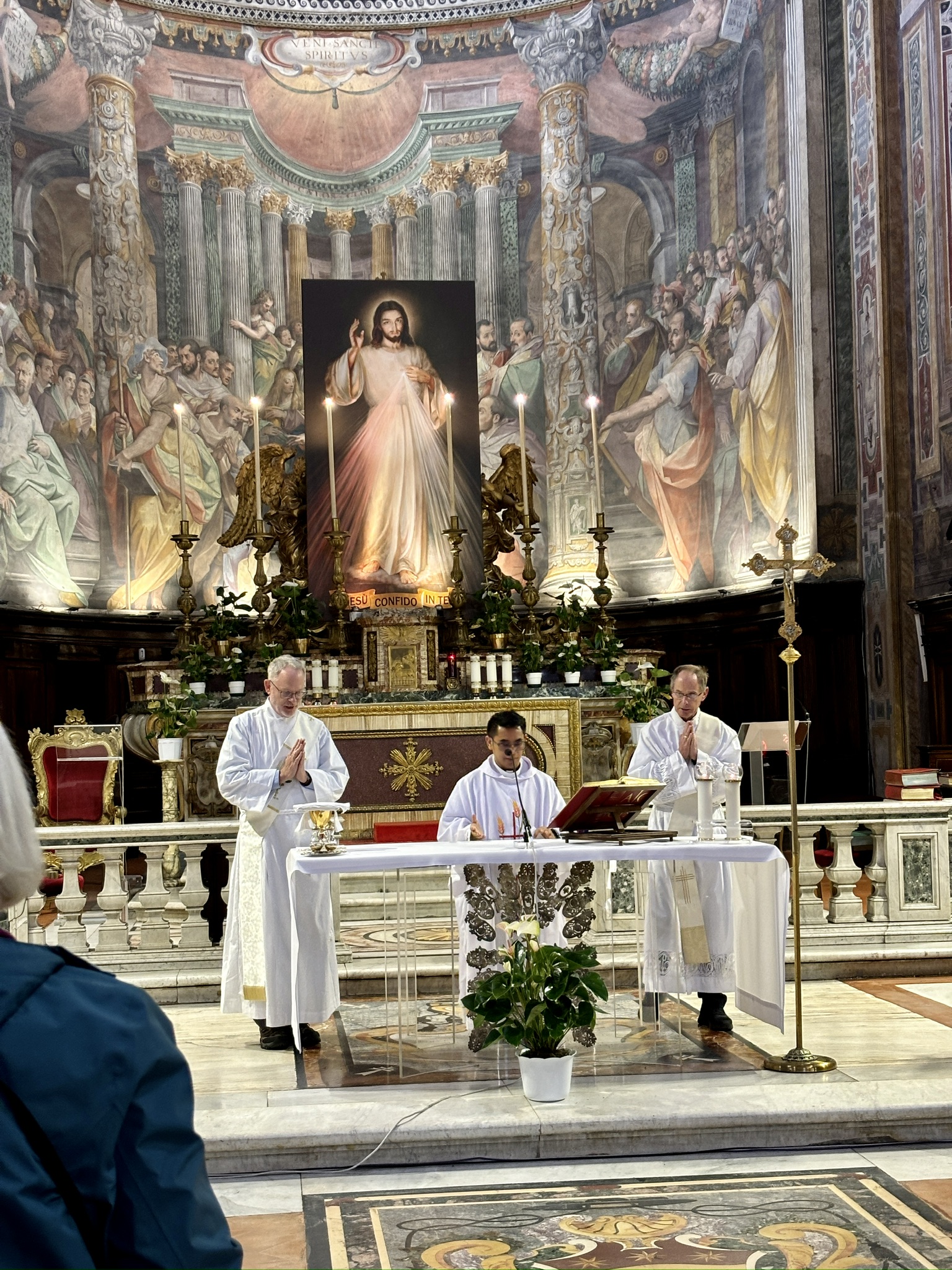
Unfortunately, we had to leave this talk early, to walk up the road for our daily Mass. It was held at the church of Santo Spirito in Sassia (Holy Spirit in Saxony).
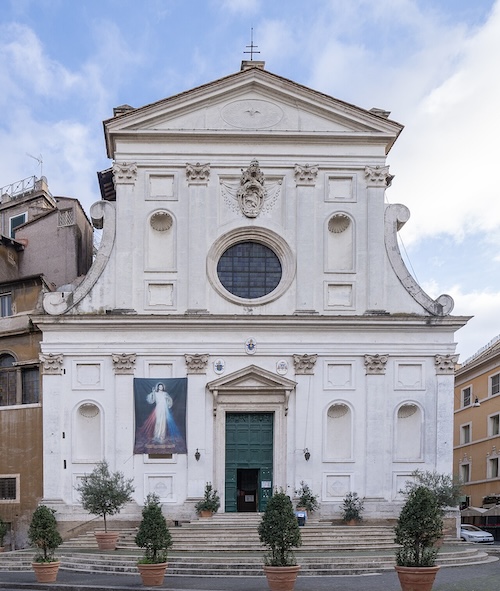

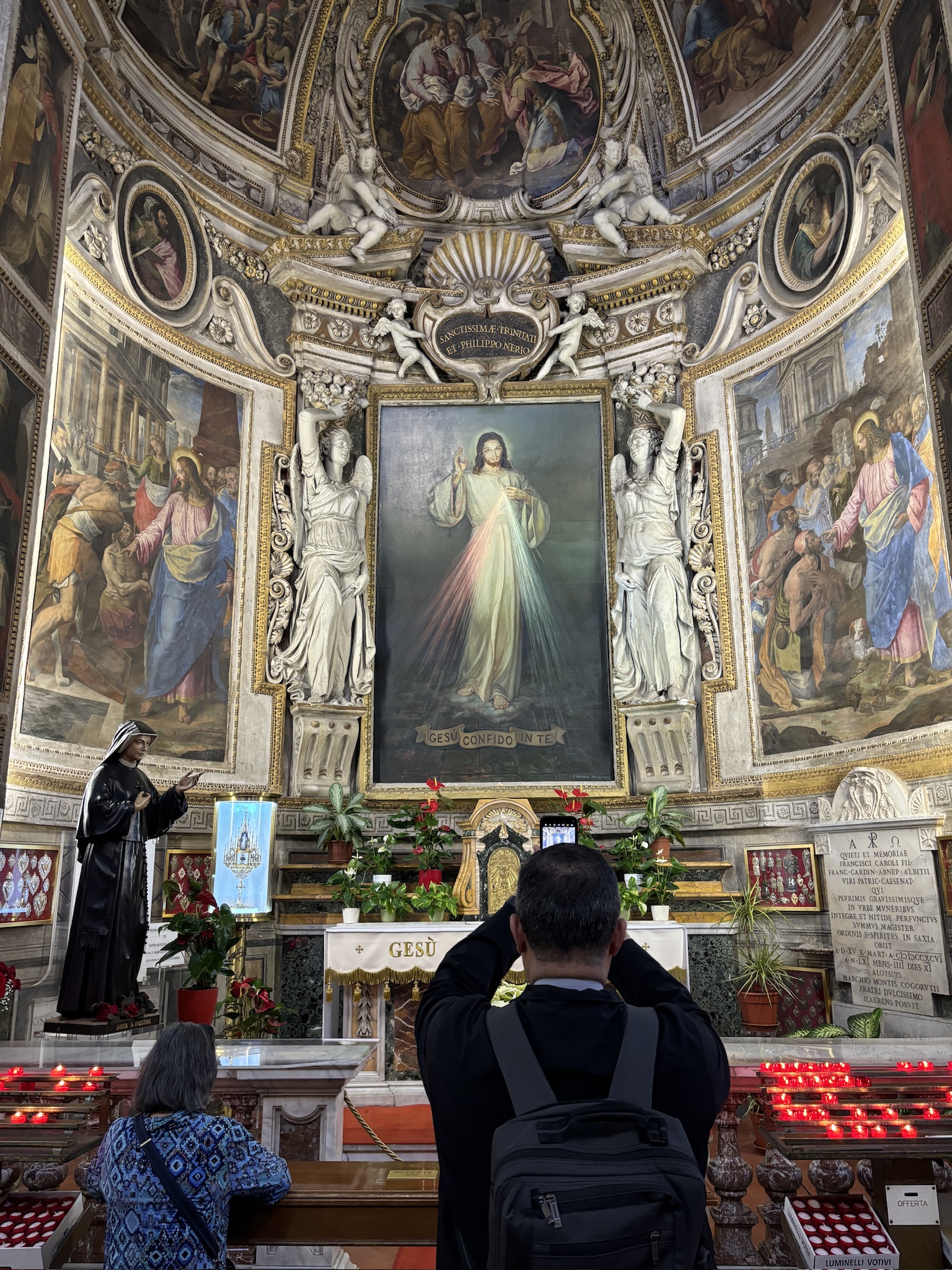

It’s popularly known as the “Divine Mercy Church” of Rome:
The Holy Father John Paul II appointed the church of Santo Spirito in Sassia to be The Divine Mercy Spirituality Centre (from 1 January 1994). Since the beatification of Sister Faustina (1993) the church is served by the sisters from the Congregation of Our Lady of Mercy.
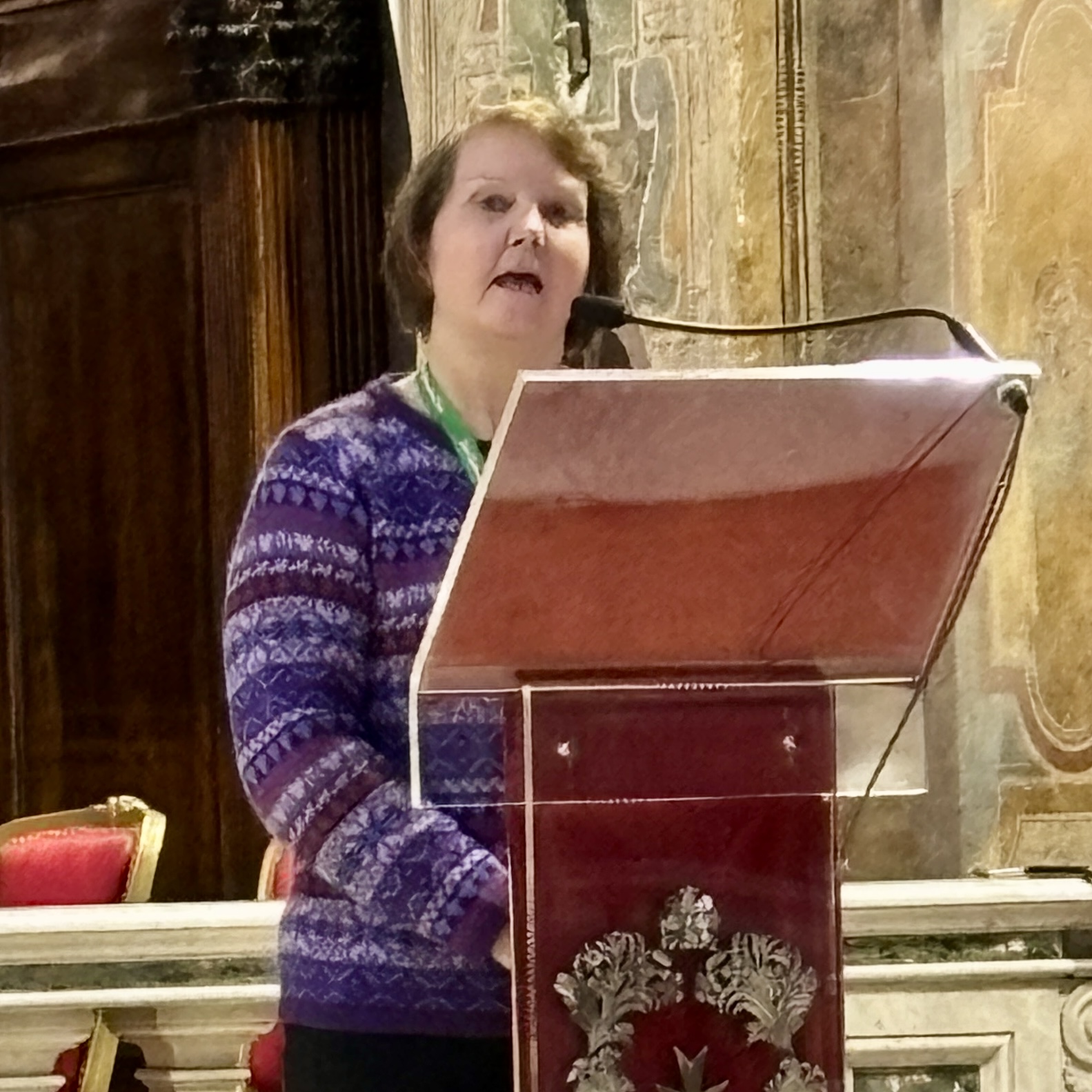
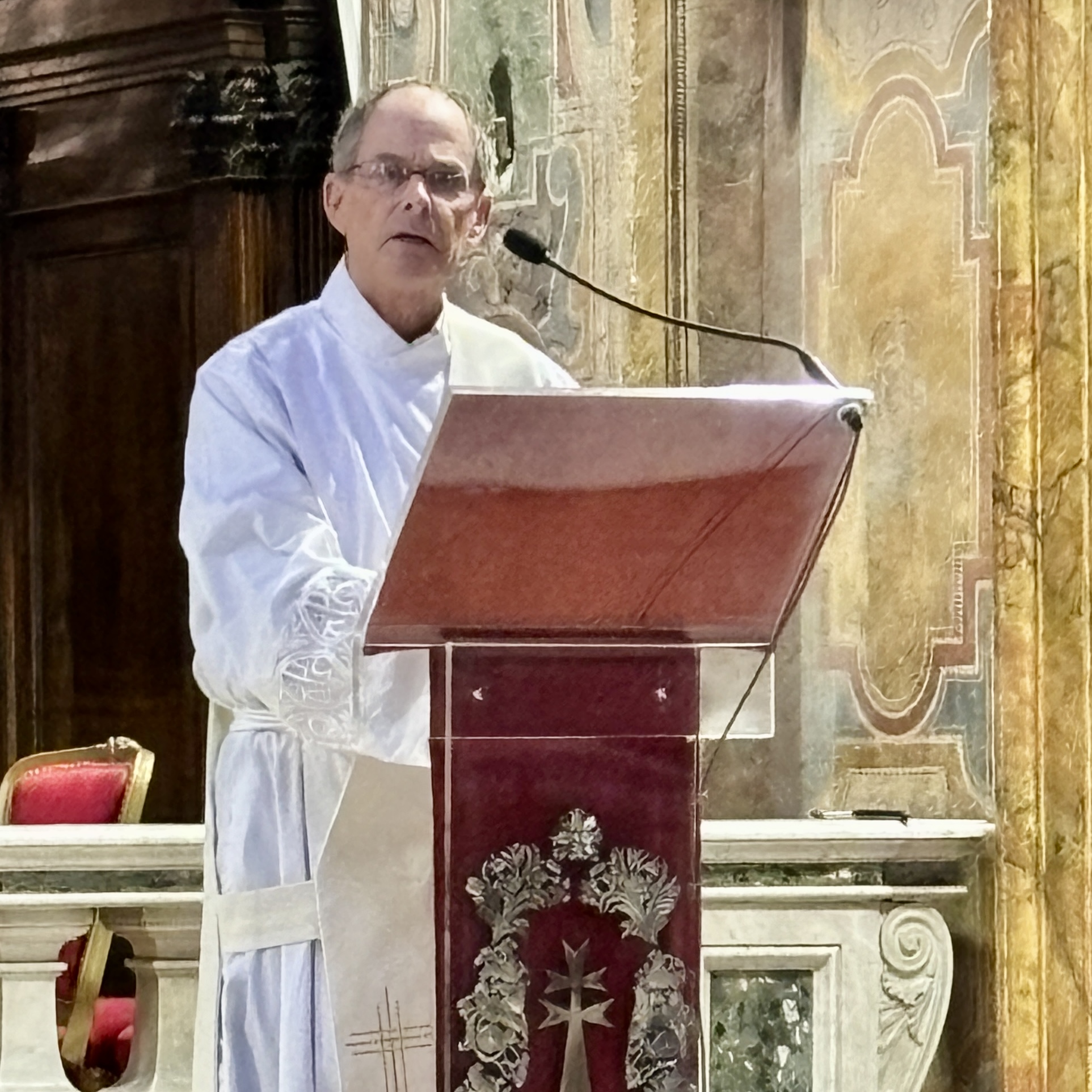
Deacons Dan Shannahan and Peter Nixon assisted at Mass, with Peter’s wife Gina lectoring and Dan preaching.


Once Mass concluded, we headed our separate ways, to grab lunch and browse the nearby shops, then reconnected at 4 pm to walk over to the Paul VI Hall, just outside St. Peter’s Square, for a Prayer Vigil.
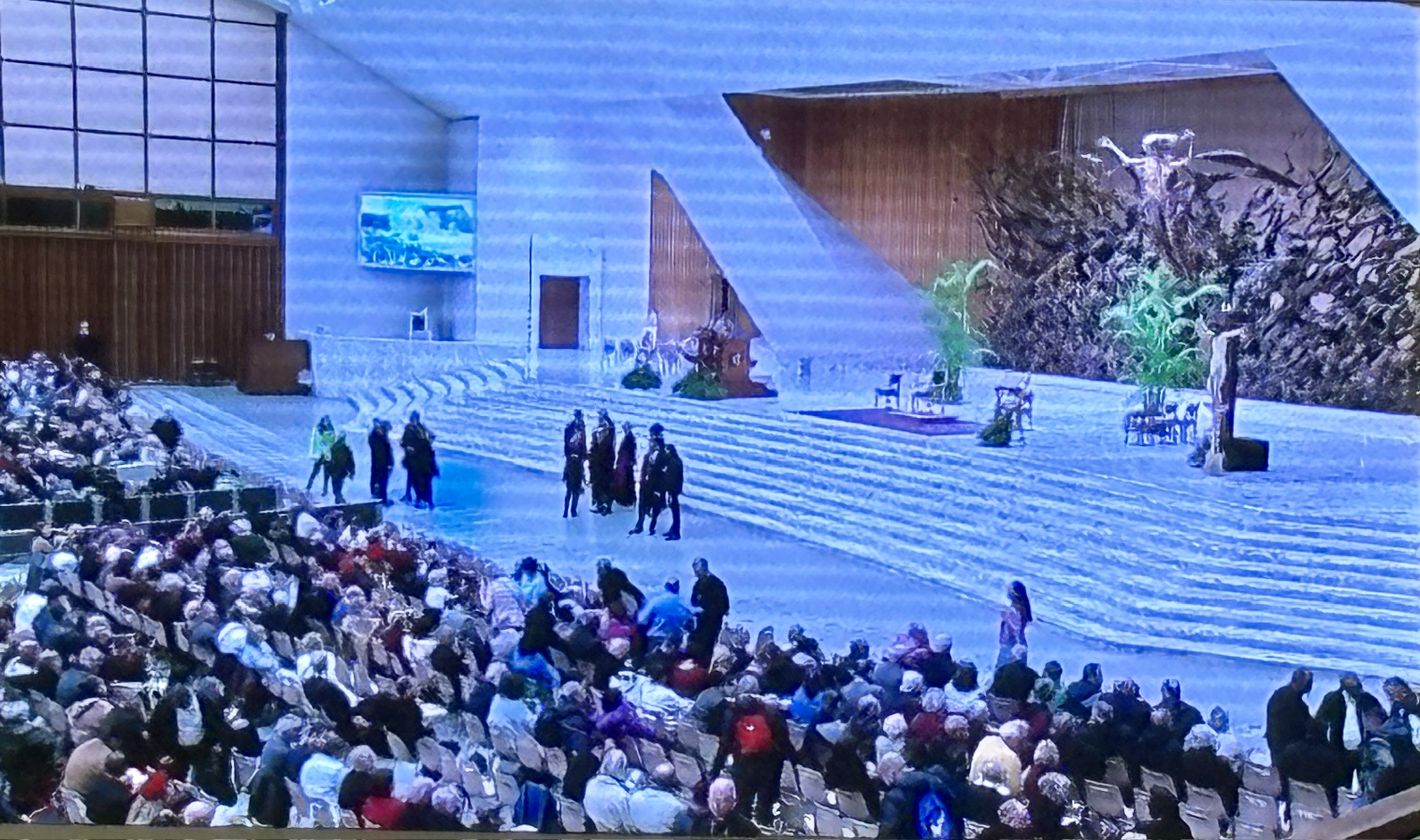

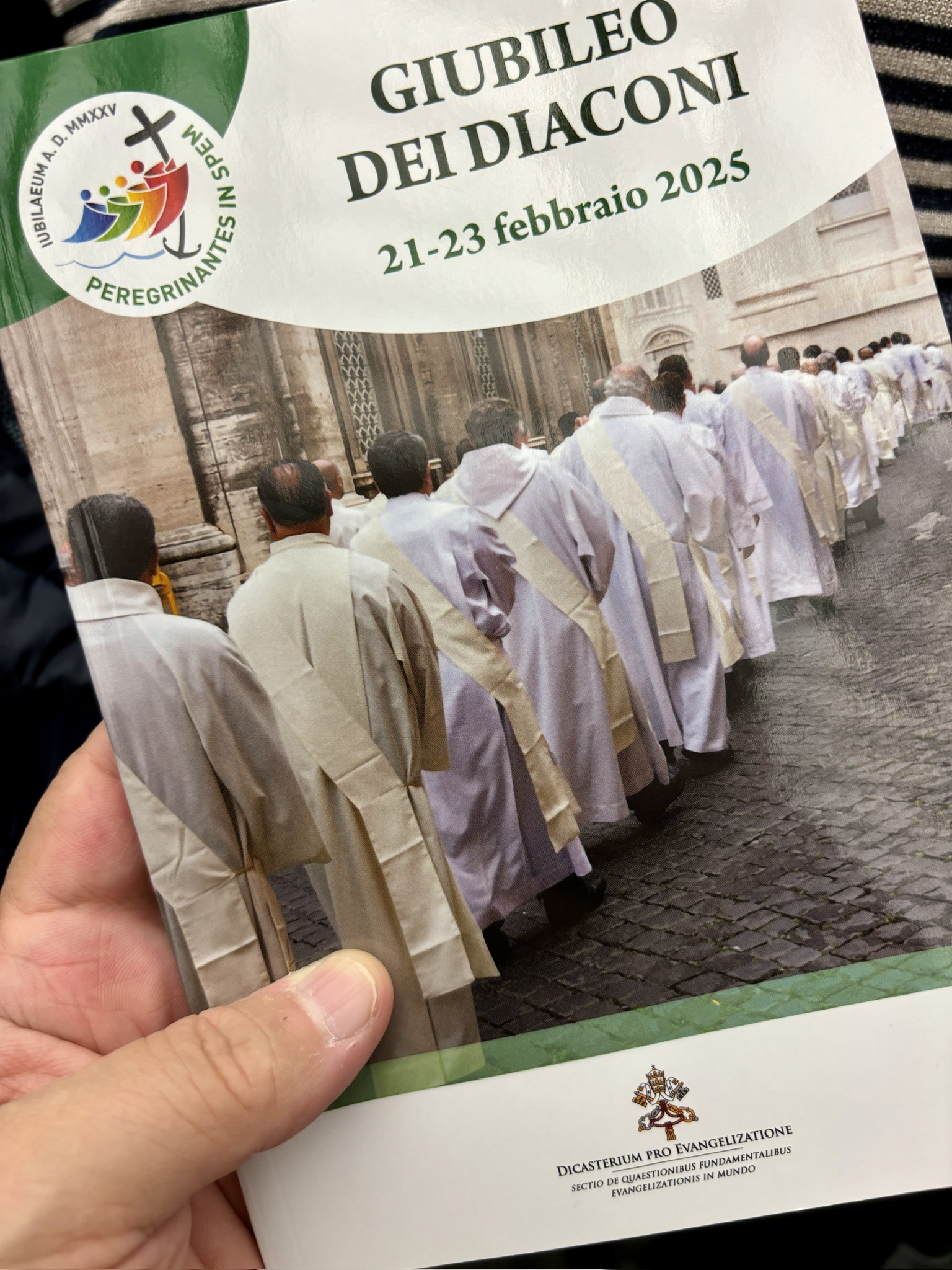
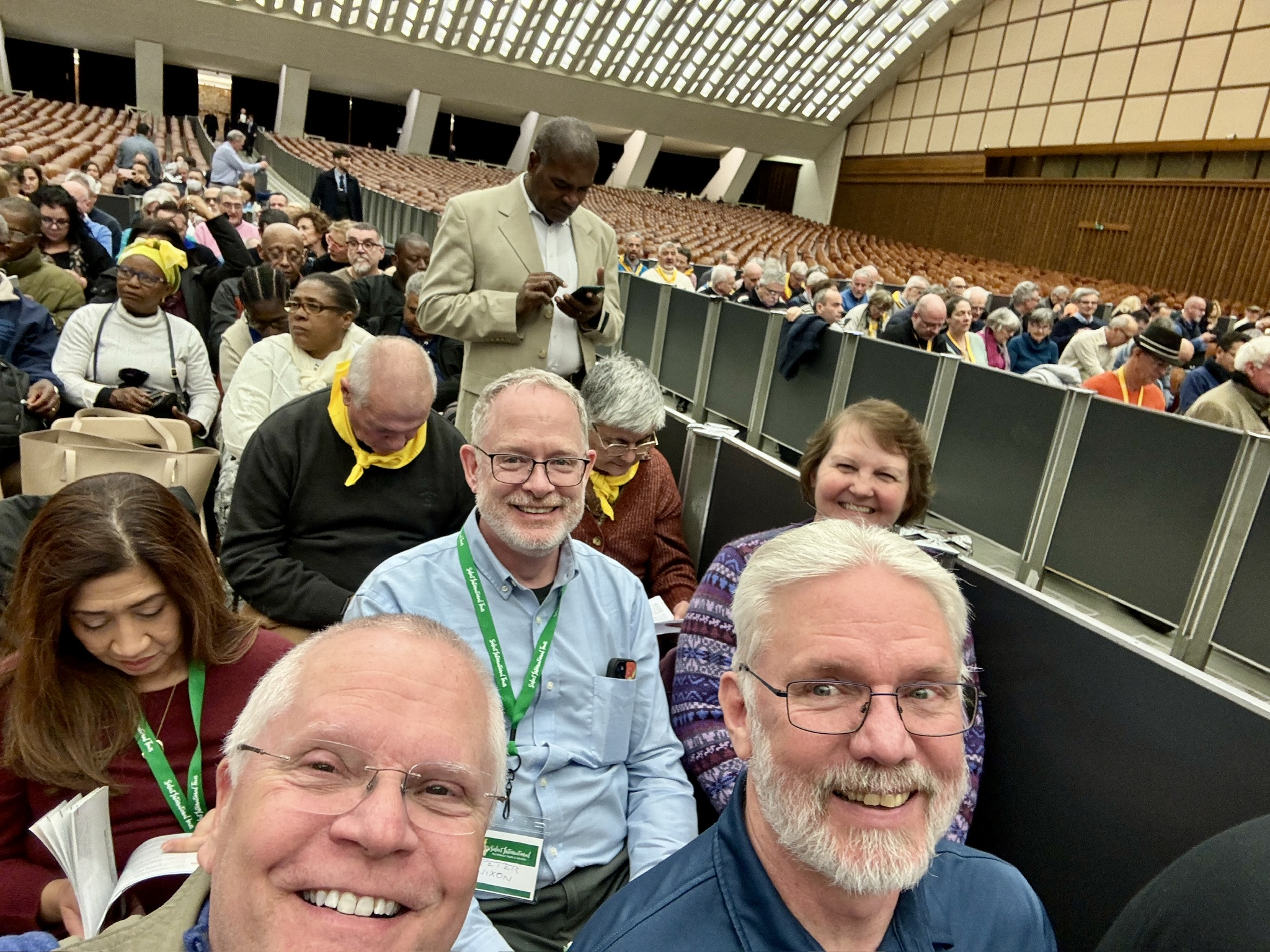

The massive hall — familiar for many of the indoor audiences popes have held over the years — was only about half full. But it was filled to overflowing with a spirit of joyful gratitude.
The presider was Cardinal Lazarus You Heung-sik, from South Korea, who is Prefect of the Dicastary for Clergy. (He was also the host for the conference we’d attended that morning.)
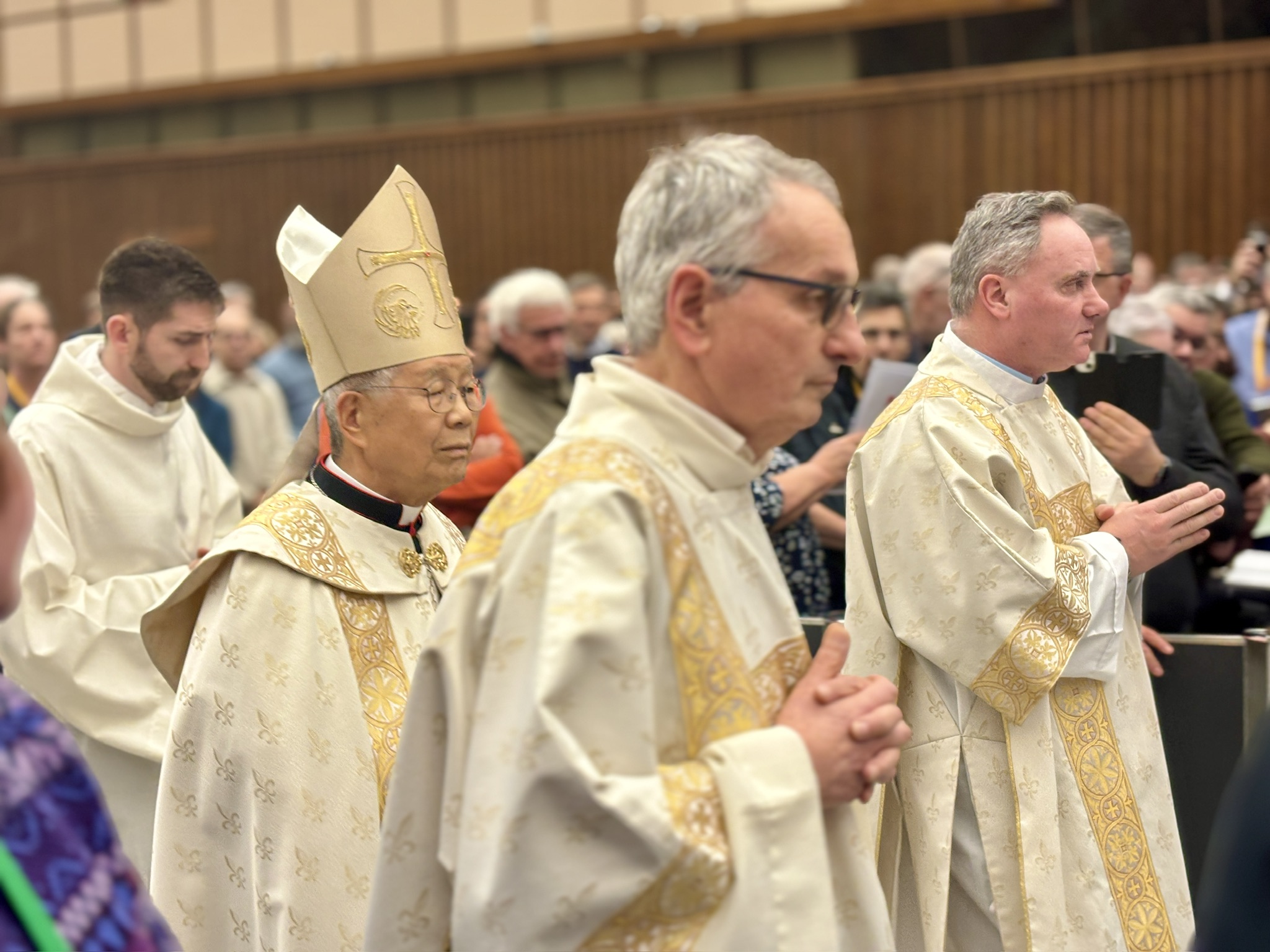
The service included something I’d never seen before: a separate processional after the entrance for the “Enthronement of the Book of the Gospels,” which included this introduction:
Dear Deacons, on the day of your ordination, the Book of the Gospels was given to you. Always nourish within you the hope of the Gospel, of which you are not only hearers, but also proclaimers and witnesses. United with the assembly of brothers and sisters gathered here, we joyfully welcome the Book of the Gospels, a sign of Christ who with his word invites us to conversion and gives us hope.
A deacon then carried the book down the center aisle, as a choir sang (beautifully) the Taize hymn Laudate Dominum.
After a set of readings — including the familiar Gospel that declared “the Son of man came not to be served but to serve” — the cardinal preached a brief homily in Italian. This was followed by testimonials from several deacons in various languages.
Interestingly, one of the languages that was scarcely heard at all was English.
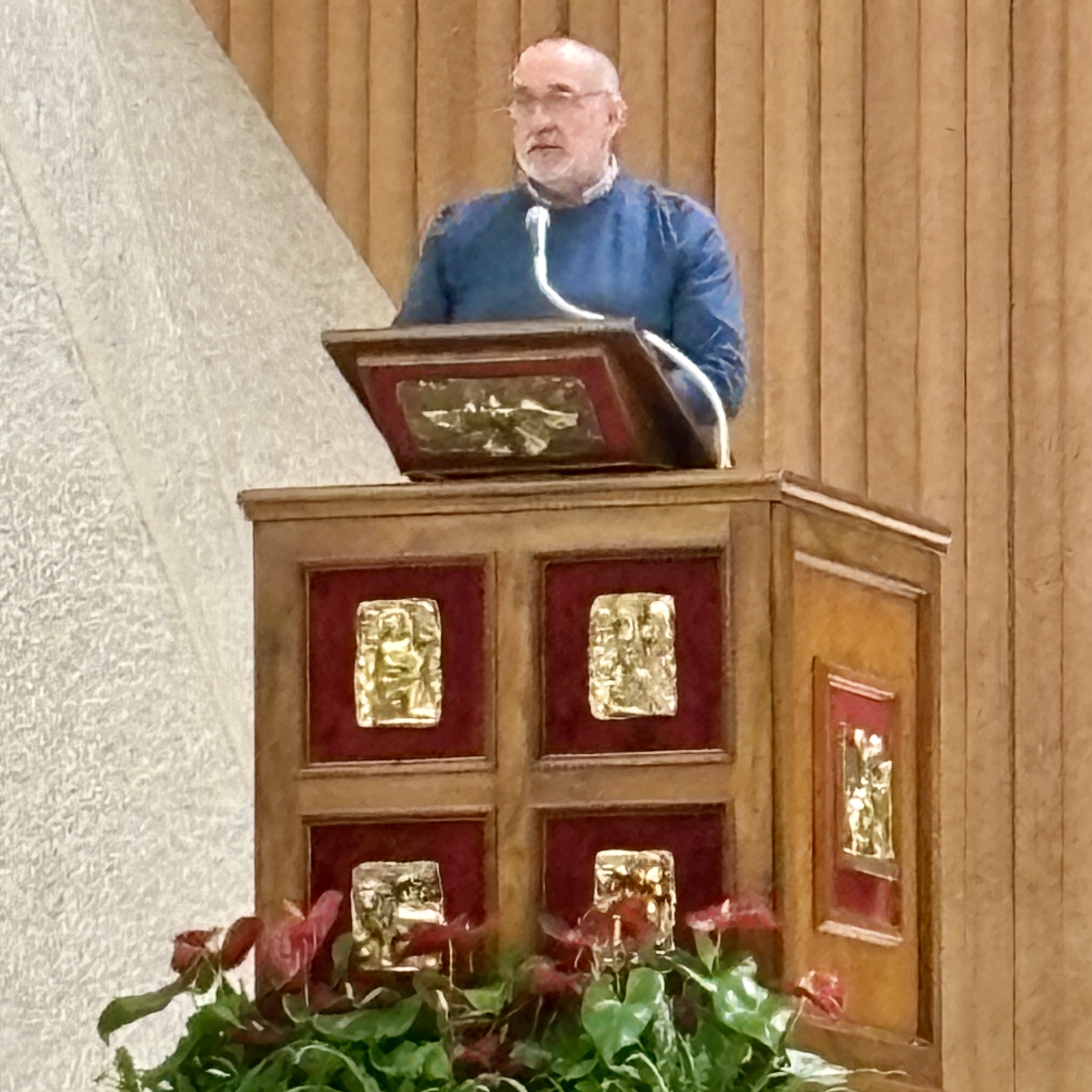

This was followed by the Renewal of Diaconal Promises — which again, significantly, included the wives (and is different from the version most of us remember from our ordination.)
The English translation appears below:
Dear Deacons, in response to the Lord’s call, you have accepted this gift of the diaconate in service to the Church. In this Jubilee Year, do you wish to renew the promises you once made before your bishop?
R: I do.
Do you wish to conform yourself ever more deeply to Christ, who came to serve and to give his life for the salvation of men?
R: I do.
Do you want to lovingly guard the Gospel of charity that has been entrusted to you to proclaim it with words and deeds?
R: I do.
Do you want to offer your life in spiritual and perfect sacrifice, united with Christ in the celebration of his paschal mystery?
R: I do.
Addressing the wives of married deacons, the presider says:
And you, sisters, who in the sacrament of marriage have formed one family with your deacon husbands, do you want to continue to support them them and cooperate in their commitment to serve the Christian community?
R: I do.
The liturgy concluded with a solemn blessing:
May God who through his Spirit has appointed you dispensers of his mysteries, grant that you may be ministers of unity and peace in the world in imitation of Jesus Christ his Son.
All in all, a wonderful evening. We headed back to the square and saw, for the first time, that basilica at night. The square was empty. But light was everywhere.
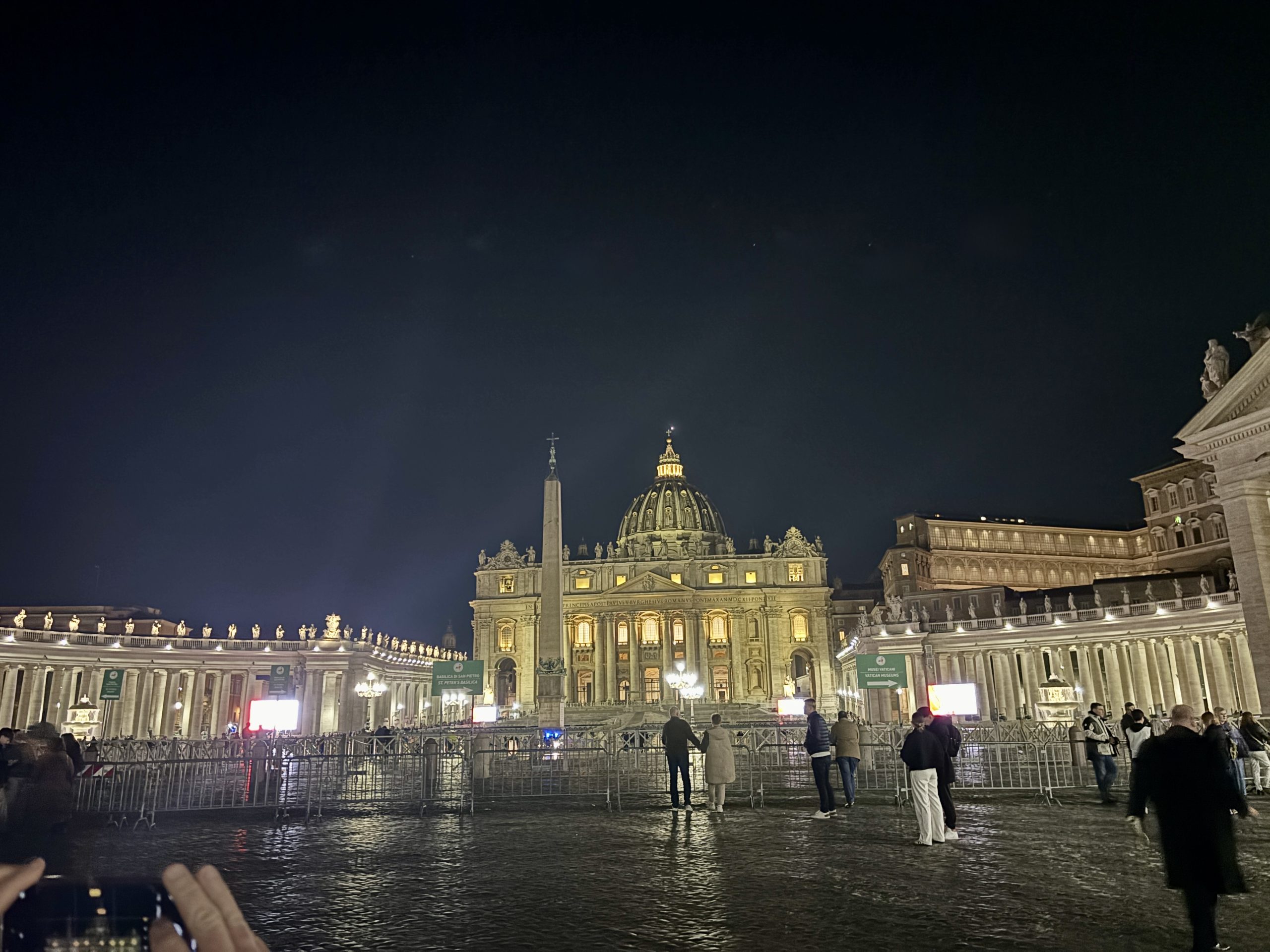
When we returned to our bus, we started to receive word about the pope’s declining health.


On the bus ride home, we prayed a Hail Mary.
Sunday, we have Mass inside St. Peter’s Basilica, an event that was to have been presided over by Pope Francis. It will now be celebrated by Archbishop Rino Fisichella, Pro-Prefect of the New Evangelization section of the Dicastery for Evangelization and the man who has overseen the planning for the Holy Year Jubilee.
Walking through the deserted square Saturday night, I was reminded of what may be the most haunting and prophetic moment of Pope Francis’s papacy, from March 27, 2020. He appeared alone in that vast square to pray for a world overcome by COVID.
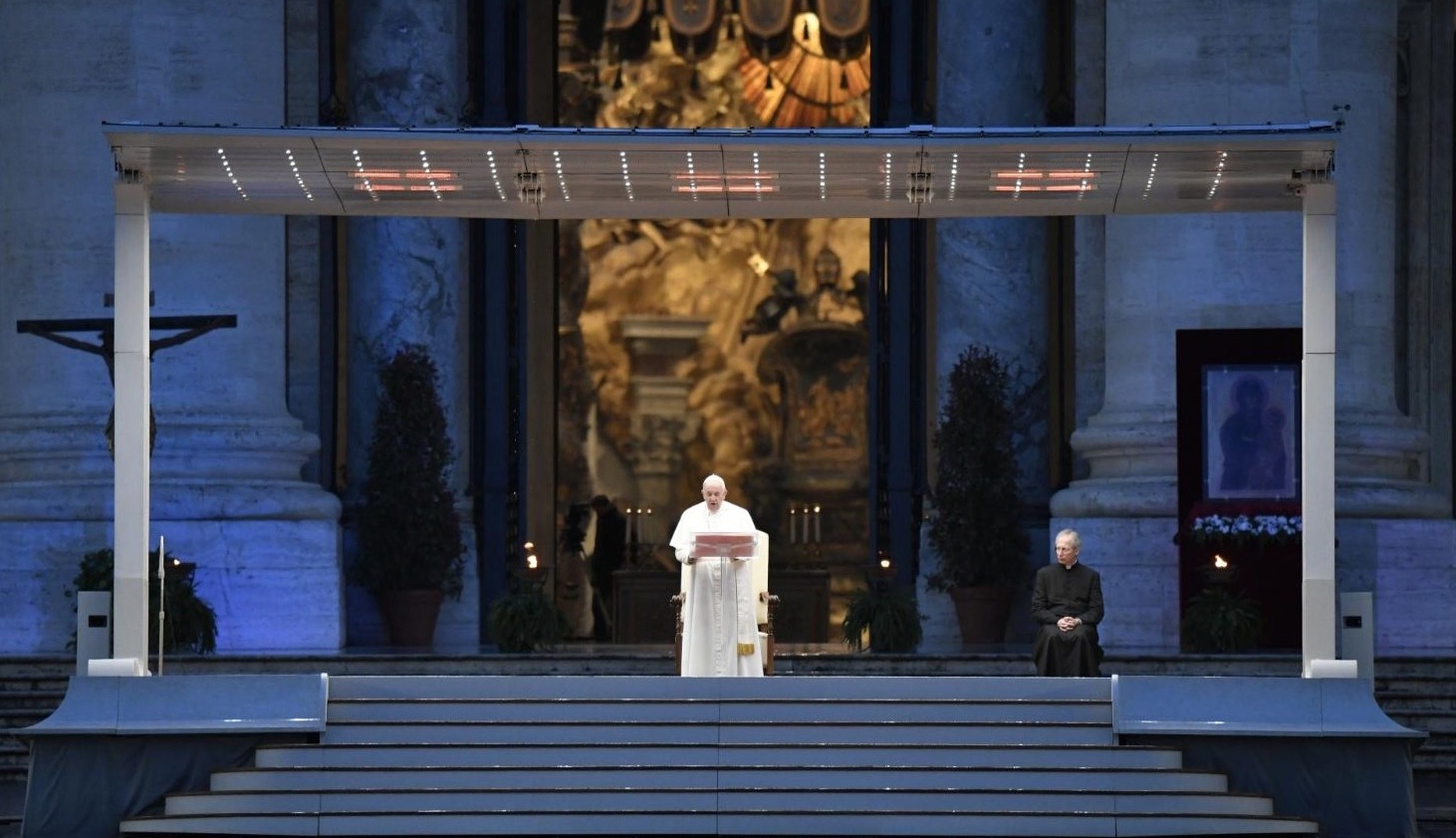

The Holy Father said at that time:
Embracing his cross means finding the courage to embrace all the hardships of the present time, abandoning for a moment our eagerness for power and possessions in order to make room for the creativity that only the Spirit is capable of inspiring. It means finding the courage to create spaces where everyone can recognize that they are called, and to allow new forms of hospitality, fraternity and solidarity. By his cross we have been saved in order to embrace hope and let it strengthen and sustain all measures and all possible avenues for helping us protect ourselves and others. Embracing the Lord in order to embrace hope: that is the strength of faith, which frees us from fear and gives us hope.
“Why are you afraid? Have you no faith”?Dear brothers and sisters, from this place that tells of Peter’s rock-solid faith, I would like this evening to entrust all of you to the Lord, through the intercession of Mary, Health of the People and Star of the stormy Sea. From this colonnade that embraces Rome and the whole world, may God’s blessing come down upon you as a consoling embrace. Lord, may you bless the world, give health to our bodies and comfort our hearts. You ask us not to be afraid. Yet our faith is weak and we are fearful. But you, Lord, will not leave us at the mercy of the storm. Tell us again: “Do not be afraid” (Mt 28:5). And we, together with Peter, “cast all our anxieties onto you, for you care about us” (cf. 1 Pet 5:7).
This special Salve Regina, recorded during COVID, seems a fitting conclusion tonight.
To be continued…